Booking a random charter at Fisherman's Wharf without checking the Pacific swell often results in an empty cooler and severe seasickness. Knowing the exact difference between a sheltered bay run and a turbulent offshore trip is the only way to keep your breakfast down and your lines tight.
- Primary Departure Points: Fisherman's Wharf, Emeryville Peninsula
- Required Documentation: California Sport Fishing License (mandatory for all anglers over 16)
- Key Target Species: Chinook Salmon, California Halibut, Striped Bass, Rockfish
- Essential Gear: Waterproof boots, layered clothing, non-glass beverage containers
- Seasickness Meds: Bonine (taken the night before and morning of the trip)
Bay Fishing vs. Deep Sea Fishing in San Francisco
Many first-time anglers assume all charters head straight out past the Golden Gate Bridge. This is a massive misconception. Staying inside the San Francisco Bay offers relatively calm waters and steady action for striped bass or sturgeon. The bay water is generally flat, the wind is manageable.
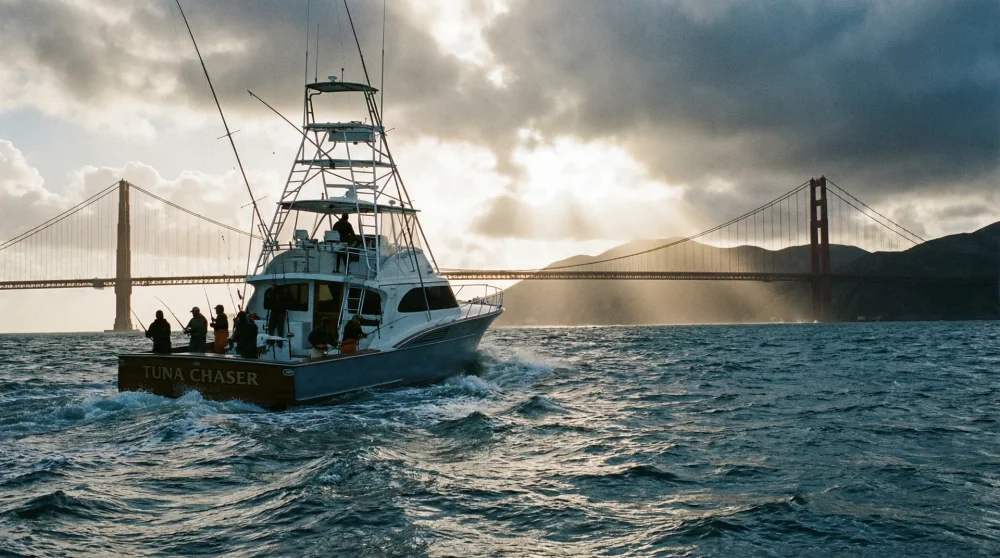
Heading out to the Farallon Islands is a completely different beast. The open ocean swell here is notoriously heavy and unpredictable. You need a strong stomach and proper medication to handle the rolling waves. Offshore trips reward you with massive lingcod and chinook salmon, but they demand physical endurance. Choose your battle wisely based on your sea legs.
Top Targeted Species: What Can You Catch?
The waters around the city host a highly dynamic ecosystem. Your specific target species dictate exactly which boat and season you need to book.
Chinook (King) Salmon
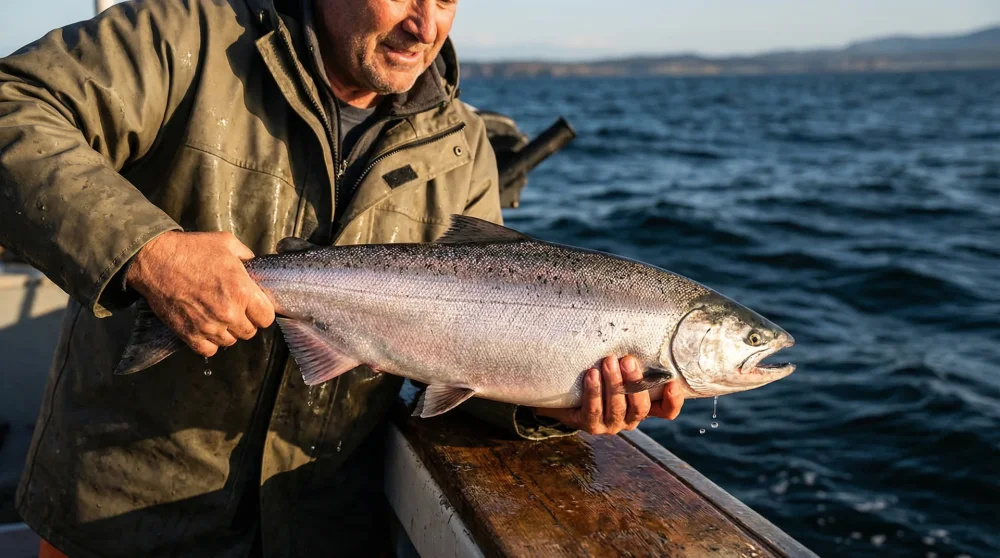
Trolling for salmon outside the Golden Gate is the ultimate prize for most visiting anglers. The bite heavily depends on the tidal pull and local baitfish schools. Deckhands constantly monitor the sonar and adjust the line depths. Pay close attention to their instructions when the reel finally screams.
California Halibut and Striped Bass
These predatory fish dominate the sandy bottoms and structures inside the bay. Drifting live bait over the shoals requires patience and a highly sensitive touch on the rod. Striped bass often school up near rocky outcroppings and bridge pilings. The action here is fast-paced and intensely visual.
Rockfish and Lingcod
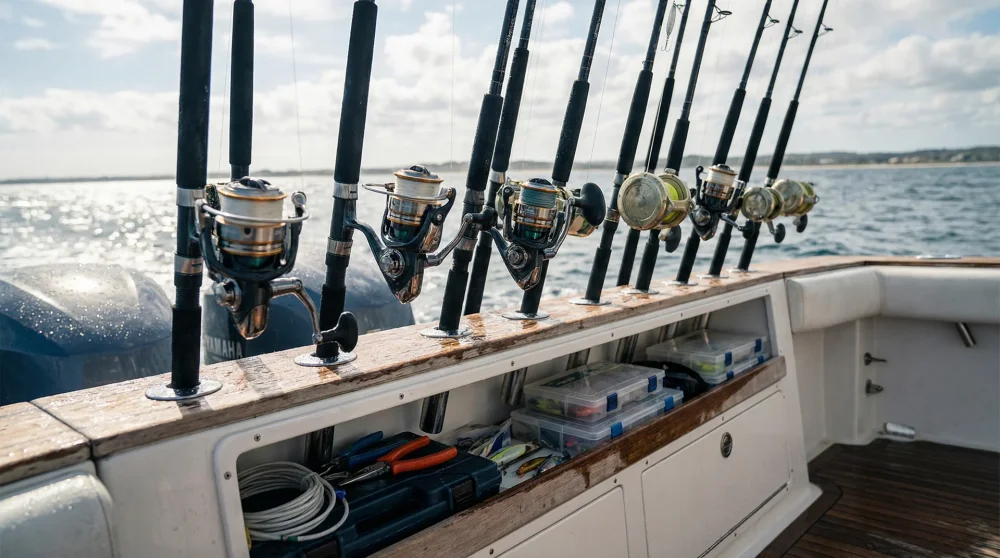
Bottom fishing along the coastal reefs provides the most consistent action year-round. You drop heavy jigs straight down into the thick kelp beds. The strikes are aggressive and immediate. Lingcod possess razor-sharp teeth, so let the experienced crew handle the entire unhooking process.
Practical Info: What to Pack and Expect
Proper preparation separates a miserable day from a successful haul. The maritime microclimate changes rapidly and without warning.
California Fishing License Requirements
You cannot step onto a charter boat without a valid state fishing license. The Department of Fish and Wildlife enforces this rule strictly across all fleets. Purchase your daily or annual pass online before arriving at the dock. Waiting until the morning of your departure causes unnecessary delays for the entire boat.
Sea Sickness Prevention and Layering Up
The coastal fog is thick, the morning air is distinctly frigid. Dress in easily removable layers to adapt when the midday sun finally breaks through. Leave the canvas sneakers at your hotel and wear waterproof rubber boots to keep your feet dry on the wet deck.
Take a Bonine tablet the night before your trip and another one on an empty stomach in the morning. Trying to medicate after you already feel nauseous is completely useless. Staying outside the cabin and keeping your eyes on the distant horizon helps your brain process the constant motion.
Tipping Your Captain and Crew
The deckhands work incredibly hard to untangle lines, bait hooks, and clean your catch. They rely heavily on your gratuity to make a sustainable living wage. Handing them cash at the end of the trip is the standard industry practice. Credit card machines are rarely available out on the water.
Where Do Charters Depart?
Your starting location fundamentally changes the logistical flow of your early morning.
Fisherman's Wharf offers the classic tourist experience with iconic views right from the slip. Finding parking here is notoriously difficult and heavily restricted. You walk past historic vessels and bustling cafes before boarding. The atmosphere is vibrant but chaotic.
Emeryville provides a much more streamlined, angler-focused environment directly across the bay. The parking lot is spacious and adjacent to the docks. You skip the downtown traffic entirely. The boats from Emeryville simply cruise across the bay to reach the exact same fishing grounds.