You step out of your vehicle, and a wave of heat greets you like a blast from an open oven. The silence here is absolute, the horizon almost impossibly vast. Welcome to one of the most extreme and fascinating environments on the planet.
Preparing for this otherworldly landscape requires more than just a quick glance at a map. You need a solid plan to tackle the raw, rugged beauty safely.
Know Before You Go: Essential Tips & Entrance Fees
Planning your logistics properly makes the difference between an epic adventure and a dangerous ordeal. The park is massive, covering millions of acres, and services are incredibly spread out. You lose cell reception almost immediately after passing the boundary signs. Downloading offline maps before you leave civilization is an absolute must.
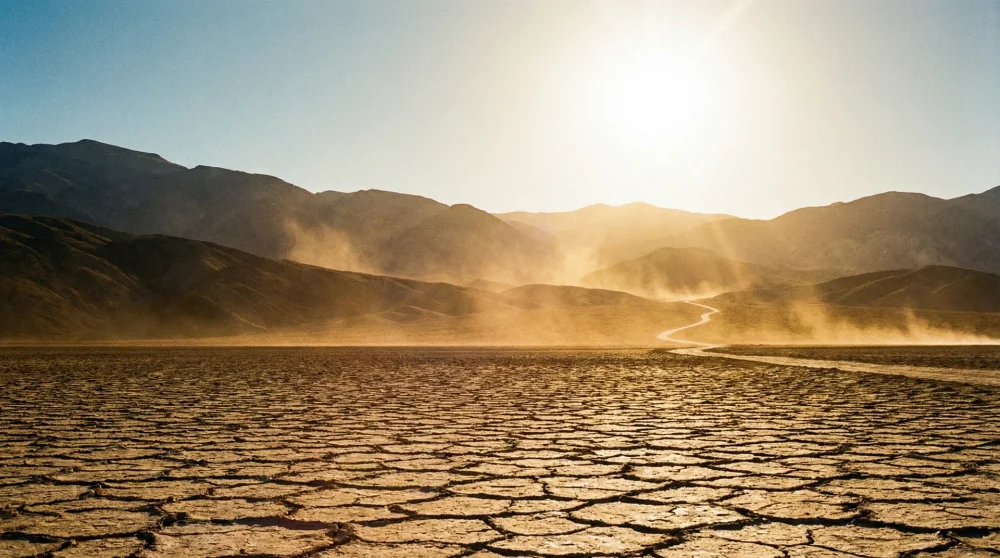
Fuel is another critical factor to manage carefully. You find gas stations inside the park, but prices are notoriously high. Fill up your tank completely in towns like Pahrump or Beatty before entering. Here is a quick breakdown of the primary costs you face:
| Expense Type | Cost | Details |
|---|---|---|
| Standard Vehicle Pass | $30 | Valid for 7 consecutive days. |
| Annual Park Pass | $55 | Excellent if you plan multiple visits in 2026. |
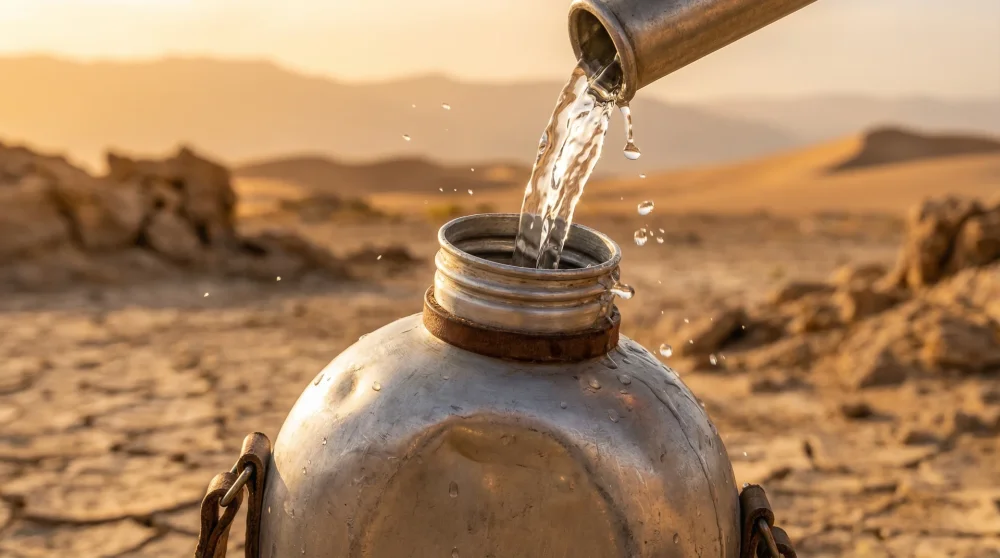
Water availability is extremely limited once you leave the main visitor hubs. Bringing a few plastic bottles is simply not enough for this environment. Pack at least one gallon of water per person per day, and double that amount if you plan on hiking.
Best Time to Visit Death Valley (Without Melting)
Timing your trip correctly dictates everything about your experience. The peak summer months turn the valley floor into an inhospitable furnace, with temperatures regularly soaring past 120F. Exploring during this time limits you strictly to short, air-conditioned scenic drives.
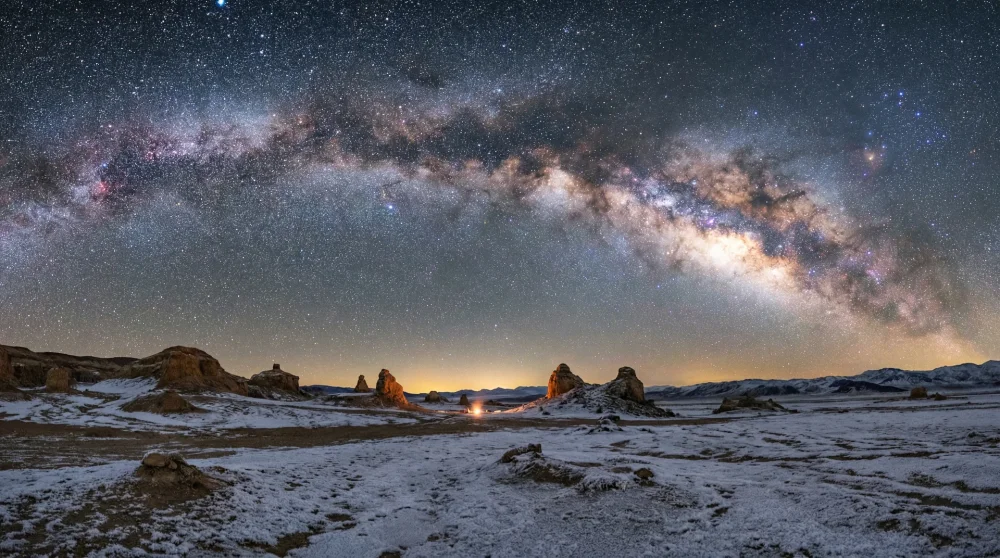
Aim for a trip between late fall and early spring. January and February offer crisp, clear days with temperatures hovering in the comfortable 60s. The mornings remain incredibly chilly during these winter months, so packing a heavy-duty jacket is essential. You get to hike comfortably, enjoy the vibrant colors of the canyons, and witness some of the clearest dark skies in the country.
How to Get to Death Valley National Park
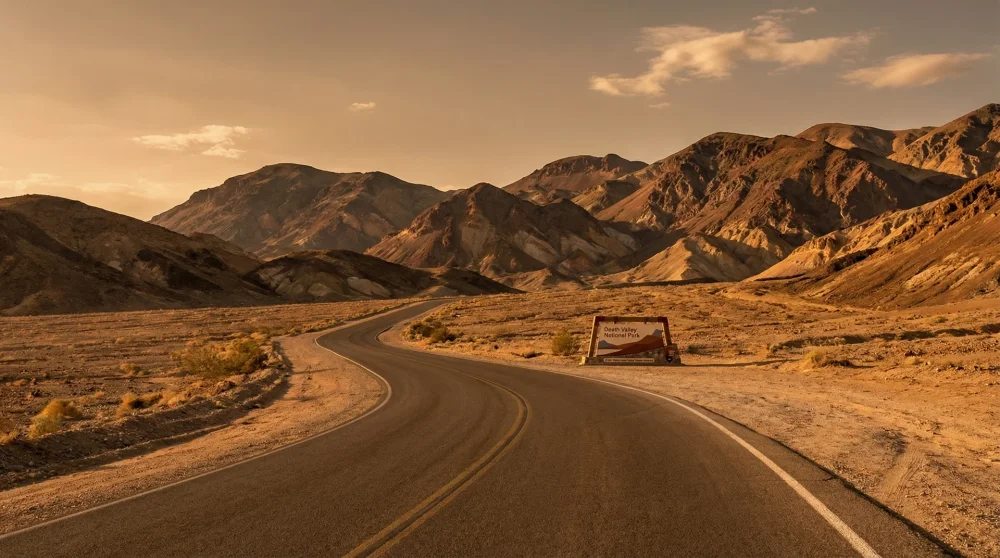
Most travelers tackle this landscape as a road trip from Nevada or Southern California. The drive from Las Vegas takes roughly two hours, making it an accessible getaway from the neon lights. The route transitions quickly from bustling highways to empty, winding desert roads. Incorporating this drive into broader Las Vegas road trip itineraries adds a spectacular contrast to your vacation.
Always check the official park website for road closures before starting your engine. Flash floods occasionally wash out major access routes, forcing significant detours.
Top Things to Do in Death Valley
The sheer scale of the park feels overwhelming at first glance. Breaking your days into manageable sections helps you maximize your time without rushing.
Badwater Basin Salt Flats
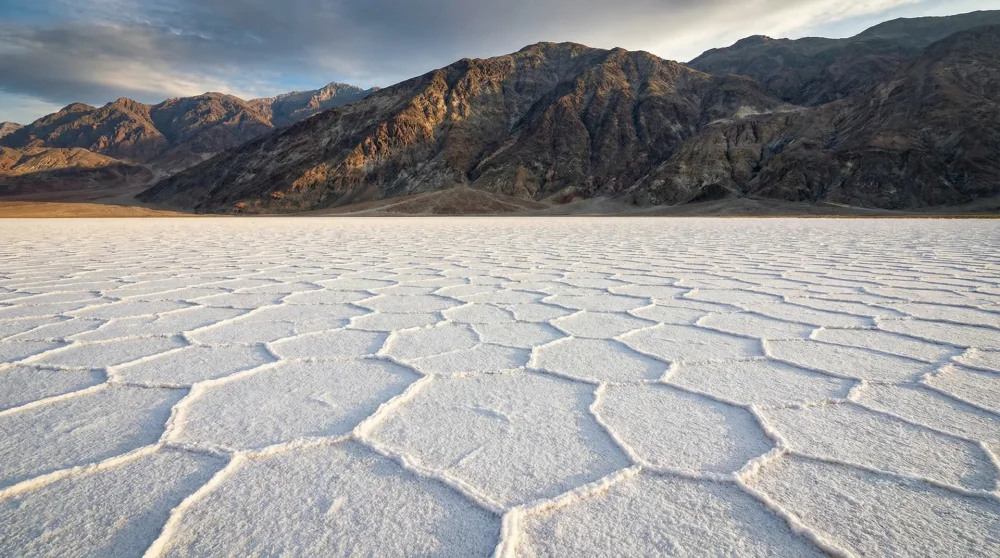
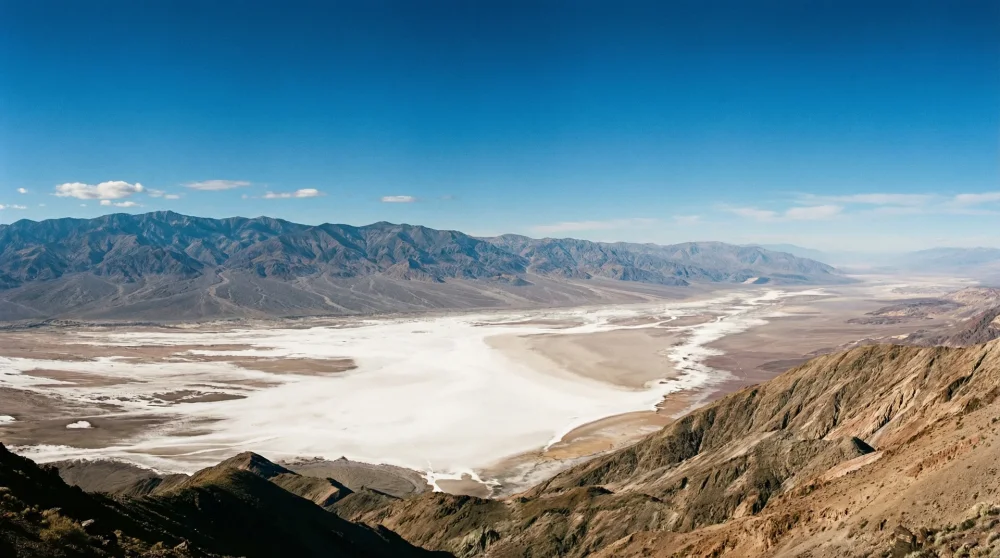
Standing at 282 feet below sea level gives you a unique perspective on the world. The crystal-white salt polygons stretch out infinitely toward the base of towering mountains. Following rare periods of heavy rain, a temporary shallow lake forms here, creating a perfect mirror reflection of the surrounding peaks. Make sure you walk out past the main boardwalk to escape the crowds and truly appreciate the desolate beauty.
Mesquite Flat Sand Dunes
These towering dunes look exactly like a scene pulled straight from a sci-fi movie. The sand feels incredibly soft, and the shifting shadows at sunset create a photographer's absolute dream. Arrive late in the afternoon to watch the light change the dunes from pale yellow to deep, glowing gold.
Dante's View Overlook
You drive up a steep, winding road to reach this spectacular vantage point. The panoramic view allows you to see the lowest and highest points in the contiguous United States simultaneously. The elevation here is over 5,000 feet, meaning the air is consistently 20 degrees cooler than the valley floor below.
Artist's Palette
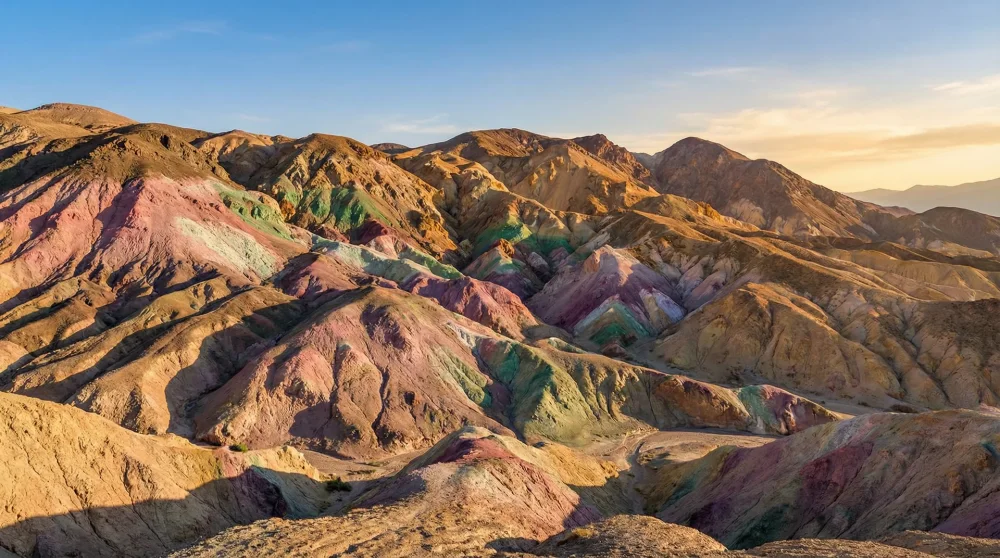
This one-way scenic loop takes you through a canyon painted with vibrant, natural colors. Minerals in the soil create striking shades of pink, green, purple, and gold across the eroded hills. The late afternoon sun makes these colors pop brilliantly against the harsh desert backdrop.
Survival Tips: Is Death Valley Safe?
Respecting the environment is your best defense against the valley's inherent dangers. Heatstroke and severe dehydration are very real threats that sneak up on unprepared hikers. Always finish your physical activities by 11 AM during the warmer months to avoid the peak sun.
Your vehicle also faces extreme stress in this climate. Long, steep inclines easily overheat engines and strain transmissions. Turn off your air conditioning during major ascents to give your engine a fighting chance. If your car breaks down, never leave your vehicle to find help. Stay put, conserve your energy, and wait for a passing ranger or tourist.
Where to Stay & Eat: Inside and Outside the Park
Securing accommodations early is crucial, especially during the busy winter season. Furnace Creek acts as the main hub, offering a visitor center, a general store, and dining options. You can choose the luxurious Inn at Death Valley for a quiet, upscale experience, or the family-friendly Ranch at Death Valley for a more relaxed atmosphere.
Stovepipe Wells provides another excellent base camp with slightly more affordable gas and lodging. Food options inside the boundaries are generally expensive and limited in variety. Stocking up on picnic supplies and snacks before you arrive saves you both time and money.