Booking a trip to Nashville without checking the local event calendar usually guarantees fighting massive crowds and paying peak rates for basic hotel rooms. Finding the sweet spot between tolerable weather and affordable travel requires precise timing.
- Peak Season: Summer months and major festival weekends.
- Budget Season: Late winter and early spring.
- Weather: Humid and hot summers, mild but unpredictable winters.
- Music Scene: Year-round live performances, zero cover charges at most downtown venues.
The Cheapest Time to Visit Nashville
Scoring a budget-friendly trip means avoiding the massive summer crowds. Late winter, specifically January and February, offers the most significant drop in hotel rates and flight costs. Average nightly hotel rates fall to the $124-145 range during these slower months, compared to $271 and above during peak summer weekends. The streets are quieter, and the usually packed music venues have plenty of breathing room.
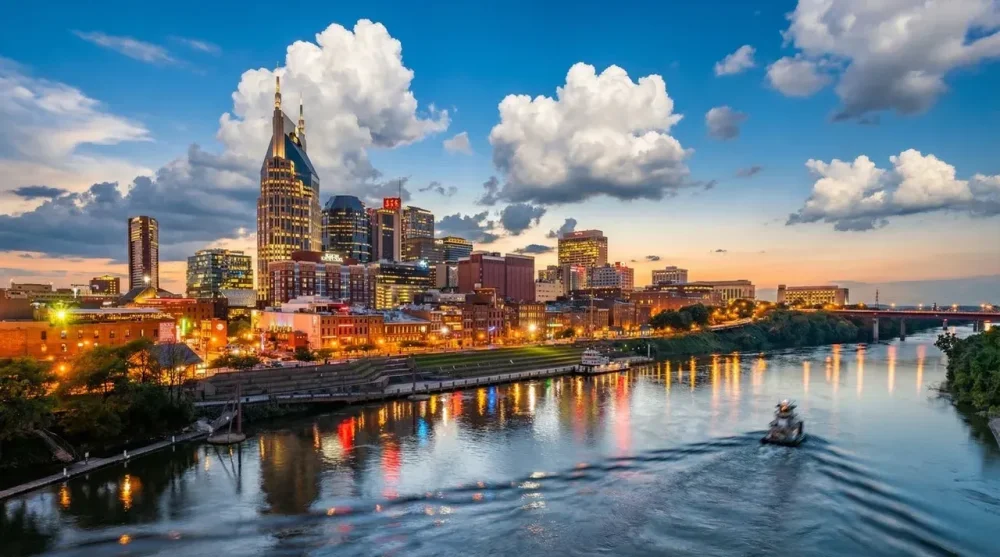
The weather gets chilly, but the city stays fully active.
How to Find the Lowest Hotel and Flight Rates
Look for mid-week flights to secure the best travel deals. Arriving on a Tuesday, Wednesday, or Sunday keeps your transit costs down. Airport hotels or accommodations in neighborhoods slightly outside the downtown core offer substantial savings compared to staying right on the main strip.
Book 1-3 months in advance for the sweet spot between availability and price. Last-minute bookings during festival weekends can push rates to $400 or more per night.
Park your car away from the downtown core and walk. Garages near major intersections charge premium rates for just a few hours.
Dates to Avoid if You're Budget-Conscious
The CMA Fest (early June) is Nashville's biggest annual event. The stadium concerts sell out, hotels fill up weeks in advance, and downtown pricing surges across the board. The Christmas and New Year period brings a similar spike. If your travel dates are flexible, these windows are worth skipping entirely.
November: A Quietly Affordable Month
November deserves more credit than it gets. Tourism slows noticeably after the fall foliage season, which pushes hotel rates back down before the holiday travel rush arrives. The weather cools but remains comfortable for walking, and the honky-tonks stay packed with locals rather than tour groups.
Free and Low-Cost Things to Do in the Off-Season
Downtown Nashville operates as a massive, free concert buffet. Venues along the main strip rarely charge a cover fee, allowing you to easily hop from one floor to another to hear different bands. You just need your physical ID to enter.
Drop a few bills in the tip buckets to support the working musicians.
Explore the state history museum or walk around the large public parks for completely free daytime activities. The architecture and monuments provide excellent photography spots without needing a ticket.
The Best Season for Ideal Weather and Outdoor Fun
The transition seasons provide the most comfortable climate for walking around the city. You get to avoid the sweltering heat of summer and the damp chill of winter.
Spring: Festivals and Blooming Gardens
March through May brings mild temperatures and vibrant outdoor life. Highs climb from the mid-50s°F in March to a comfortable low 70s°F by May, with humidity still manageable. The botanical gardens reach full bloom, making it the perfect window for outdoor photography and long walks.
Keep an eye on the spring break schedules to avoid unexpected tourist surges.
Fall: Crisp Air and Americana
September and October deliver crisp air and stunning autumn foliage. October is Nashville's driest month, which makes it particularly pleasant for extended walks and scenic drives through the surrounding state parks. Rooftop bars become highly enjoyable when the intense summer sun finally fades away.
A light jacket is all you need for late-night bar hopping.
When to Visit Nashville for Live Music and Concerts
The live music scene thrives every single day of the year. However, summer brings the massive outdoor festivals and stadium tours. The streets overflow with fans, bright neon lights, and non-stop entertainment.
Arrive at the downtown venues before mid-afternoon for a relaxed experience. Crowds are manageable, and you can actually secure a good table near the stage.
After late afternoon, the traffic picks up and the energy turns chaotic. The multi-level venues pack in the crowds, with different genres playing on every floor. It is loud, unapologetically vibrant, and heavily focused on the nightlife experience. Expect everything from classic country to modern rock.
The Worst Time to Visit
July and August bring oppressive heat and high humidity levels. Temperatures regularly push past 90°F (32°C), and walking multiple blocks feels exhausting when the sun beats down on the pavement. These months also attract the highest volume of large party groups, making downtown extremely crowded and loud.
If you dislike massive crowds and waiting in long lines, skip the mid-summer rush.
Month by Month Nashville Weather and Crowd Breakdown
Winter Months: Expect gray skies and chilly winds. The tourist volume drops to its absolute lowest point, giving you unrestricted access to popular restaurants. Pack warm layers and waterproof boots.
Spring Months: The city wakes up. Temperatures hover in a very comfortable range, and the festival season begins. This is the optimal balance of good weather and a lively atmosphere.
Summer Months: Intense heat, high humidity, and massive crowds define this period. Hydration and sun protection are mandatory. Take advantage of the air-conditioned museums during the peak afternoon heat.
Fall Months: The air cools down, but the event calendar stays packed. You get the lively atmosphere of summer without the exhausting temperatures. Early fall is ideal for first-time visitors wanting the classic Southern experience.