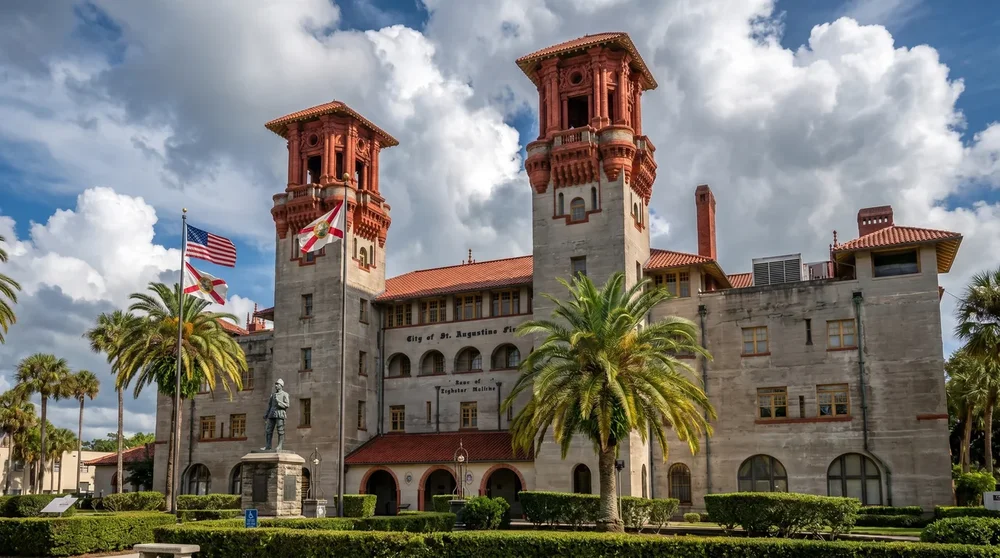
Your GPS wants to send you down a road that barely fits a pickup truck. That's how a lot of first-time mountain campers end up stuck on a switchback outside Boone, blocking traffic for an hour. The NC mountains reward those who do their homework, and punish those who don't.
- Open season: April through October at most sites; select locations year-round
- Price range: $17-$70/night depending on site type and provider
- Booking: Recreation.gov (National Park sites) or ReserveAmerica (state parks)
- Road warning: Large rigs must avoid GPS "scenic shortcuts" stay on primary highways
- Storm status: Most campgrounds reopened post-Hurricane Helene; always verify before booking
Hurricane Helene Impact: What You Need to Know
Hurricane Helene hit western North Carolina on September 27, 2024, causing catastrophic flooding across 190,000+ acres of National Forest land. It was one of the worst natural disasters the region has ever seen, destroying several campgrounds entirely.
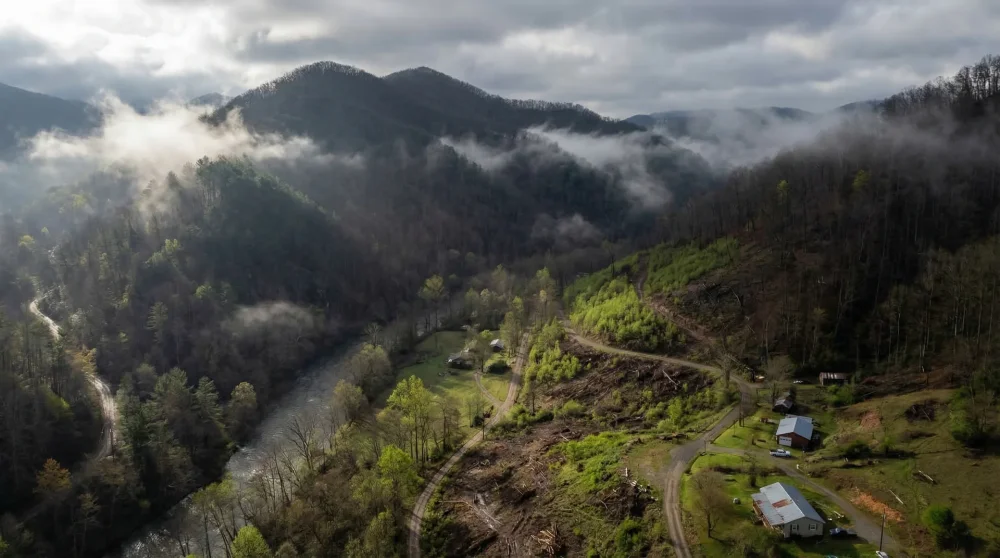
The good news heading into 2026: most major campgrounds have reopened or are scheduled to reopen by Memorial Day weekend. Cataloochee Valley in Great Smoky Mountains National Park reopened in April 2025 after extensive hazard tree removal. Asheville East KOA Holiday rebuilt with 64 RV sites, 32 tent sites, and 4 cabins. Some facilities, including Wilson's Riverfront RV Park and Buck Hill Campground in Newland, remain closed with no confirmed reopening dates.
Before booking anything in western NC, call the campground directly. Websites often lag behind real-world conditions.
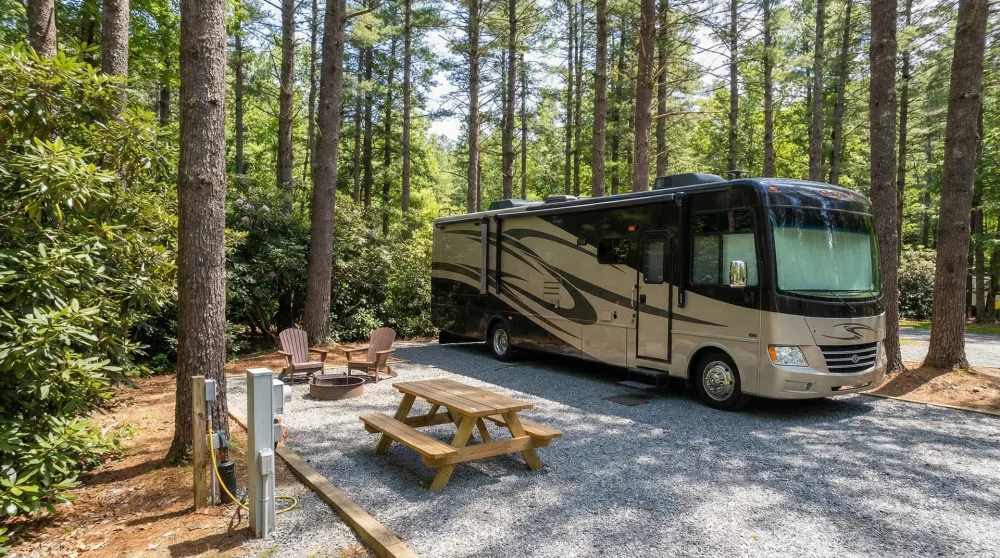
Driving Mountain Roads with an RV
The single biggest mistake RV travelers make in this region: trusting navigation apps over common sense.
Approaching Boone? Stay on Hwy 421 and transition to secondary roads only after confirming the approach path with your campground. Hwy 194 North looks manageable on a map. In a 35-foot motorhome, it's a different story. Sharp curves and narrow lanes can trap longer trailers with no room to reverse.
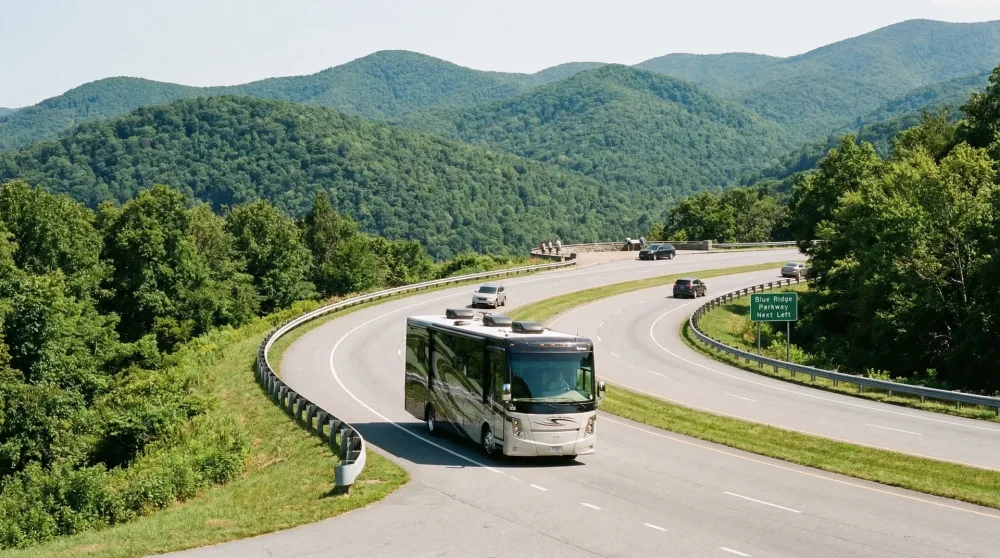
For the Asheville area, I-26 and I-40 handle any size rig comfortably. The Blue Ridge Parkway is scenic but has a posted length limit of 45 feet and zero passing opportunities on narrow segments. Check current Parkway conditions before committing, Hurricane Helene recovery work is still ongoing in stretches.
Rule of thumb: if Google Maps says it will "save you time" on an unfamiliar mountain road, it probably costs you several hours instead.
Great Smoky Mountains Campgrounds (NC Side)
The North Carolina side of Great Smoky Mountains National Park is significantly less crowded than the Tennessee side. No hookups are available in national park campgrounds, but the setting compensates.
Smokemont is the largest NC campground in the park with 142 sites along the Oconaluftee River. It's open year-round and sits at a comfortable elevation. Rates run $21-$25/night, and it books out weeks in advance during October. The trailhead for Smokemont Loop Trail starts right from camp.
Balsam Mountain sits at 5,310 feet, the highest developed campground in the park. 46 sites, open May through October, rates around $17.50/night. Nighttime temperatures drop sharply even in summer; pack layers you'd consider overkill.
Deep Creek near Bryson City offers 92 sites and is the go-to for families who want waterfalls and tubing within walking distance. Sites cost $21/night and the campground runs April through October.
Cataloochee is the most remote at 27 sites, $25/night, open April through October. It was closed after Helene and reopened in spring 2025. The valley is one of the best places in the eastern US to spot elk in the wild, arrive at dusk.
Book all GSMNP sites at Recreation.gov. Sites open exactly 6 months in advance at 8 AM ET. For fall foliage weekends in October, that means booking in April.
Private and Commercial Campgrounds
Blue Bear Mountain Camp near Todd (outside Boone) sprawls across 150+ acres at 4,000 feet elevation. There's a trout pond on site, hiking trails through hardwood forest, and full hookup sites. It's the kind of place where kids disappear for hours and parents don't worry. The elevation keeps it cool even in July.
Jellystone Park Golden Valley is built for families who want a full experience rather than just a site. Ziplines, a waterslide, and organized activities run from late May through early August. Not wilderness camping, but genuinely useful if you're traveling with young children who need more than trees to stay entertained.
At the Ridge Camp positions itself along the Blue Ridge Parkway with 7 cabins and 14 tent and RV sites. The location beats most private campgrounds for scenery, and the site density is low enough that you're not hearing your neighbor's conversations.
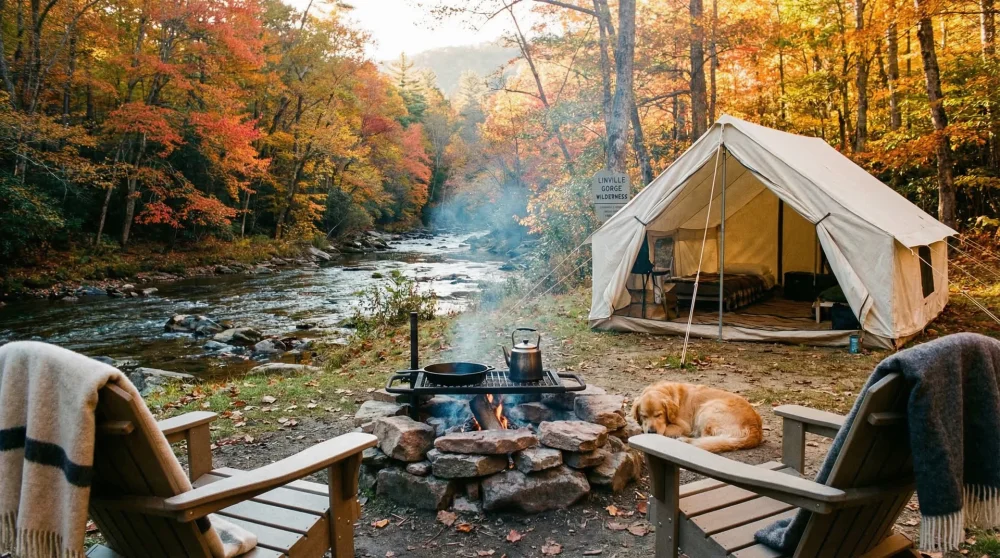
For campers who want proximity to the Asheville food and brewery scene without staying in an urban park, check Starlight Hills and The Oasis at Harmon Creek Farms, both small-scale operations with strong reviews that survived Helene in reasonable shape.
State Park Options
Black Mountain Campground in Pisgah National Forest runs $28-$56/night depending on hookup level. It's convenient to Mount Mitchell, the highest peak east of the Mississippi at 6,684 feet. The campground elevation sits around 3,000 feet, which means temperatures roughly 15°F cooler than Charlotte on the same day.
For state parks specifically, make reservations through ReserveAmerica (1-877-722-6762) or online. There's a $6 cancellation fee if plans change. Same-day bookings are possible until 9 PM, though availability is sparse in peak summer.
Creekside and Primitive Camping
Spots along waterways like Conleys Creek and the Nantahala River corridor offer something the managed campgrounds can't: the sound of moving water as white noise at night. Many of these sites are first-come, first-served with fire pits and cooking grates included.
Backcountry camping in Great Smoky Mountains National Park requires a permit ($4/person/night) booked at Recreation.gov. Backcountry sites are tightly rationed and fill fast for peak weekends. The advantage: genuine solitude and views that campground sites can't match.
The Nantahala National Forest has dispersed camping across designated areas with no hookups and no fees. This style works only with a self-contained setup and strict Leave No Trace discipline.
Best Time to Visit
May and June offer the best wildflower blooms and manageable temperatures without the mid-summer crowds. Roads are fully open, facilities are staffed, and nights are cool without being cold.
September and October attract the most visitors for good reason. Fall foliage in the southern Appalachians tends to peak between late September and mid-October, varying by elevation. High-elevation spots like Balsam Mountain see color change two weeks before valley floors. Book October weekends six to eight months in advance, not an exaggeration.
July and August are busy and humid in the valleys, but campsites above 3,500 feet stay comfortable. Afternoon thunderstorms are common and can be intense; plan outdoor activities for morning hours.
Winter camping is possible at a handful of year-round sites including Smokemont, but road access to many areas becomes unreliable. Some campgrounds switch to limited services or close entirely from November through March.
How to Book
For Great Smoky Mountains National Park sites: Recreation.gov, opens 6 months ahead at 8 AM ET. Phone: 1-877-444-6777.
For NC State Parks: ReserveAmerica online or 1-877-722-6762. Minimum 2-night stay on Friday-Saturday during summer holidays (Memorial Day through Labor Day) unless booking within 7 days of arrival.
For private campgrounds: most have direct booking on their websites. Weekday sites 3-4 weeks ahead is usually sufficient. Summer holiday weekends and any October weekend: book 2-3 months out.
For October specifically, the most competitive booking window is June and July for the following fall. That's not overcaution, that's experience.