You might have heard mixed reviews about anatomy exhibitions. Some find them fascinating, while others worry they might be too intense or gloomy. However, Body Worlds Amsterdam distinguishes itself with a unique theme: The Happiness Project.
It does not just show you human anatomy; it tells the story of how our emotions, specifically happiness, physically impact our health. If you are planning a trip to Amsterdam in 2026, this spot offers an experience that goes far beyond a typical museum visit.
Ticket Price: 22.50€ (Online discount available)
Duration: 1.5 - 2 Hours
Location: Damrak 66 (Between Dam Square and Central Station)
Vibe: Educational, Fascinating, Thought-Provoking
What is Body Worlds Amsterdam: The Happiness Project?
Unlike other Body Worlds exhibitions you might have seen globally which focus on sports or animals, the Amsterdam location is permanently dedicated to the theme of happiness. Dr. Gunther von Hagens, the anatomist who invented the plastination technique, designed this exhibition to show the biological link between our emotional state and our physical well-being.
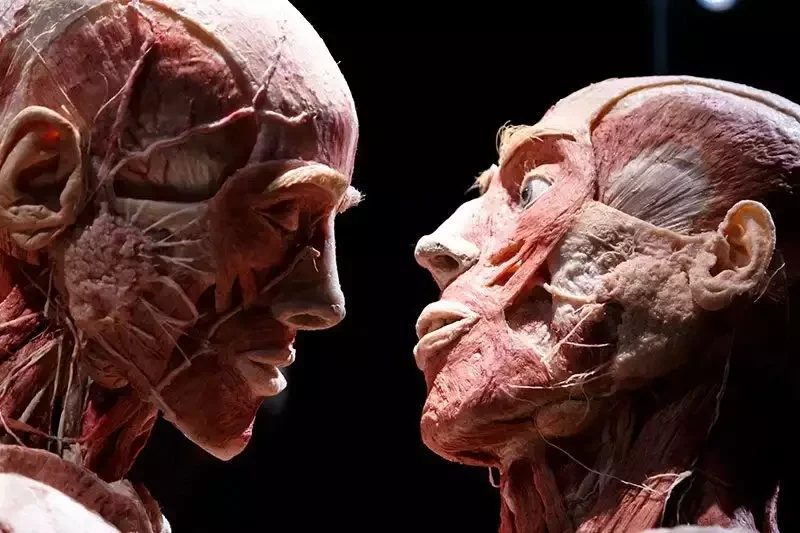
You start your journey by taking an elevator to the 6th floor and slowly working your way down. Each level covers a different aspect of the human body, from the nervous system to the cardiovascular system. The core message here is empowering. You will see clearly how stress affects your organs and, conversely, how joy and a healthy lifestyle can literally regenerate you. It transforms the abstract concept of health into something you can see with your own eyes.
Inside the Exhibition: A Floor-by-Floor Experience
The flow of the building is designed to take you on a narrative journey. As you descend from the top floor, the exhibition peels away the layers of the human body.
Real Human Bodies & The Shock Factor
The most common question you probably have is: Are they real? Yes, every specimen you see is a real human body. They are preserved through plastination, a complex vacuum process where body fluids are replaced by reactive plastics. This stops decomposition and preserves the body down to the microscopic cellular level.

While this might sound intimidating, the presentation is not scary or gruesome. The bodies are posed in dynamic, everyday positions - playing saxophone, jumping, or thinking. This artistic approach removes the morgue atmosphere and replaces it with a sense of wonder. You find yourself marveling at the complexity of the muscle structures rather than feeling fear. It is a celebration of life, not death.
The Impact of Habits
One of the most striking sections compares healthy organs with diseased ones. You will stand in front of a real pair of smoker's lungs, black and hardened, placed right next to the pink, spongy lungs of a non-smoker. No public service announcement is as effective as seeing this reality inches away from your face.
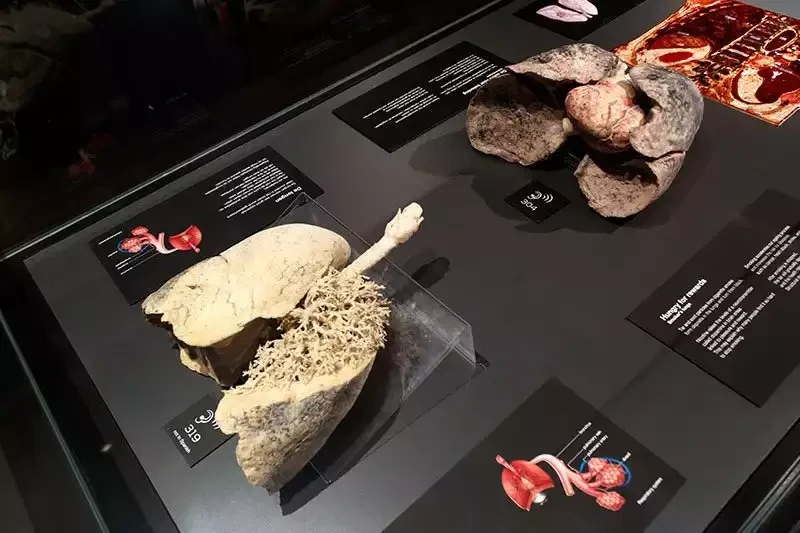
The exhibition also covers diet and obesity without being judgmental. It simply presents the mechanical truth of how excess visceral fat compresses internal organs. These visual lessons stick with you long after you leave the building.
The Reproduction & Intimacy Section
As you move through the floors, you will encounter the section dedicated to human reproduction. This area displays the development of a fetus from a tiny speck at one week to a fully formed baby at nine months. It is often cited by visitors as the most emotional and awe-inspiring part of the tour.
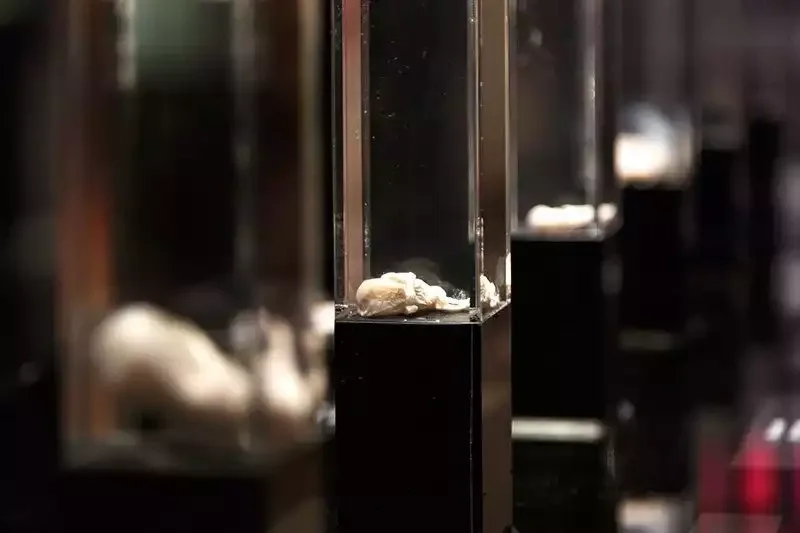
There is also a display depicting the sexual act to illustrate the hormonal and anatomical changes during intimacy. While it is presented scientifically and respectfully, you should be aware of this section if you are visiting with children who might ask difficult questions.
The Free InBody Scan: Know Your Body
Here is a tip that many visitors miss or rush past: At the end of the tour, usually on the basement level, you have access to a free InBody Scan. In many clinics or gyms, you would pay a separate fee for this service, but here it is included in your ticket.

You stand on the machine barefoot, and it sends a harmless electrical signal through your body to analyze your composition. Within a minute, you get a printed receipt showing your:
- Body Fat Percentage
- Muscle Mass
- Water retention levels
- Basal Metabolic Rate
This fits perfectly with the Happiness Project theme. You leave not just with knowledge about general anatomy, but with specific data about your own body. It serves as a great baseline if you are planning to make healthier lifestyle choices in 2026.
Practical Tips for Your Visit
To ensure your visit is smooth and stress-free, keep these logistical details in mind.
Ticket Prices & Buying Online
The standard entrance fee is approximately 22.50€. However, you should definitely book your tickets online in advance. Not only is it often cheaper than buying at the door, but it also guarantees your entry time slot. Amsterdam is a busy city, and Damrak is one of its most crowded streets; lines can get long, especially on weekends.

Opening Hours & Best Time to Visit
The museum is generally open daily from 09:00 to 20:00, with extended hours until 22:00 on Saturdays. If you want a quieter experience where you can study the exhibits without waiting for people to move, try to visit on a weekday morning right when they open. The late evening slots on weekdays are also usually calmer.
How to Get to Body Worlds Amsterdam
You cannot miss the location. It is situated at Damrak 66, which is the main avenue connecting Amsterdam Central Station to Dam Square.
- From Central Station: It is a 5-minute walk. Just exit the station and walk straight down the main street.
- From Dam Square: It is a 2-minute walk heading towards the station.
Is Body Worlds Amsterdam Suitable for Children?
This is a subjective decision for every parent. The official recommendation suggests the exhibition is suitable for children aged 6 and up. Many families visit and find it highly educational. The plastinated bodies are dry and odorless, which helps reduce the ick factor for kids.
However, you know your child best. If they are very sensitive to the idea of death or internal organs, you might want to wait. The sections on reproduction and disease are graphic in their realism. For most teenagers and curious children, however, it is a fascinating biology lesson that beats any textbook.
Final Verdict: Is It Worth the Hype?
If you are looking for a typical tourist trap to kill time, this might feel too heavy. But if you want an experience that changes your perspective on your own physical existence, Body Worlds Amsterdam is absolutely worth it.
It manages to balance science, art, and philosophy in a way that feels respectful. You walk out not thinking about the dead bodies you saw, but thinking about the living body you inhabit. For the price of 22.50€, the combination of the museum tour and the body scan offers excellent value for money in the heart of the city.
The Trip Verdict
Body Worlds is one of the most unique attractions in Amsterdam. It is fascinating for those curious about human biology and anatomy, but might be too intense for very young children or sensitive visitors. Our verdict: It's an enlightening 90-minute experience that offers a deep perspective on health and happiness.