Showing up to Biscayne National Park without a pre-booked boat tour is the biggest mistake first-time visitors make. Since 95 percent of this national park rests entirely underwater, reaching the vibrant coral reefs and historic islands requires strategic planning before you ever leave the city limits.
- Entrance Fee: Free
- Docking Fee: $25.00 per day (Fridays through Mondays and Federal Holidays)
- Camping Fee: $35.00 per night, waived May 1 through September 30
- Mainland Access: Dante Fascell Visitor Center (Homestead)
- Best Time to Visit: Dry season (December to April) to avoid aggressive mosquitoes.
The Reality of Visiting a 95 Percent Underwater National Park
Looking at a map, the proximity to downtown Miami suggests an easy day trip filled with traditional hiking trails. The reality is quite different. The vast majority of the park boundaries protect the spectacular aquamarine waters of Biscayne Bay, the northernmost Florida Keys, and a massive portion of the Florida Reef. You need to get out on the water to truly experience this ecosystem. Strolling around the mainland visitor center only takes about an hour, leaving unprepared travelers wondering what to do next.
How to Explore Biscayne Without a Personal Boat
You do not need to own a yacht to explore these pristine waters. The park concessionaire, Biscayne National Park Institute (BNPI), operates daily excursions from two departure points.
Dante Fascell Visitor Center (Your Starting Point)
Drive down to Homestead and park at Convoy Point. This is your gateway. The center features interactive exhibits, clean restrooms, and a scenic 0.8-mile boardwalk known as the Jetty Trail. Renting a kayak or paddleboard right from the launch ramp allows you to paddle along the mangrove shorelines safely.
Booking Guided Eco-Tours
Secure your tickets weeks in advance, especially between March and June when tours fill fast. One critical detail that trips up many visitors: BNPI runs tours from both Homestead (Convoy Point) and Coconut Grove, and those two departure locations are nearly an hour apart.
Confirm exactly where your tour departs before you show up. The sail, paddle, and snorkel combo navigates through dense mangrove tunnels where jellyfish and nurse sharks hide and is one of the best ways to see the park without a private vessel.
Best Water Activities and Trails
The real magic happens beneath the surface.
Snorkeling the Maritime Heritage Trail
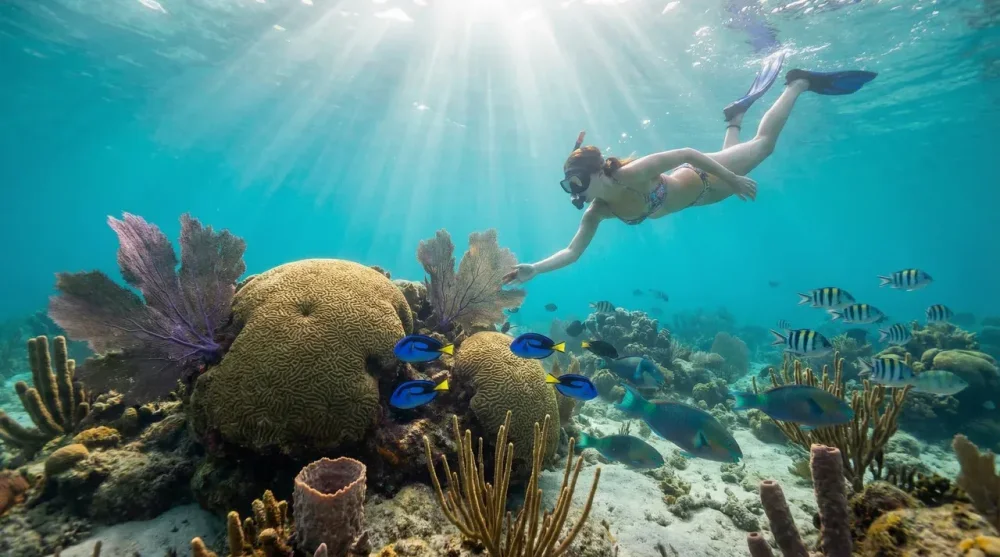
Plunge into the Atlantic to explore six historic shipwrecks mapped along the reef. The Mandalay shipwreck remains a favorite spot, teeming with pufferfish, spiny lobsters, and colorful corals. Water temperatures drop significantly during the winter months, so renting a wetsuit keeps you comfortable while you swim alongside sea turtles.
Paddling Through Jones Lagoon and Crocodile Creek
If you prefer staying above the waves, the sheltered waters of Jones Lagoon offer an incredibly peaceful paddling experience. Navigate carefully around the mooring buoys and watch for upside-down jellyfish resting on the sandy bottom. Give the bird rookeries plenty of space as you glide past.
Island Hopping: Boca Chita Key vs. Elliott Key
Both accessible islands offer unique vibes, but they cater to very different types of adventurers.
Boca Chita Key (Best Views and Lighthouse)
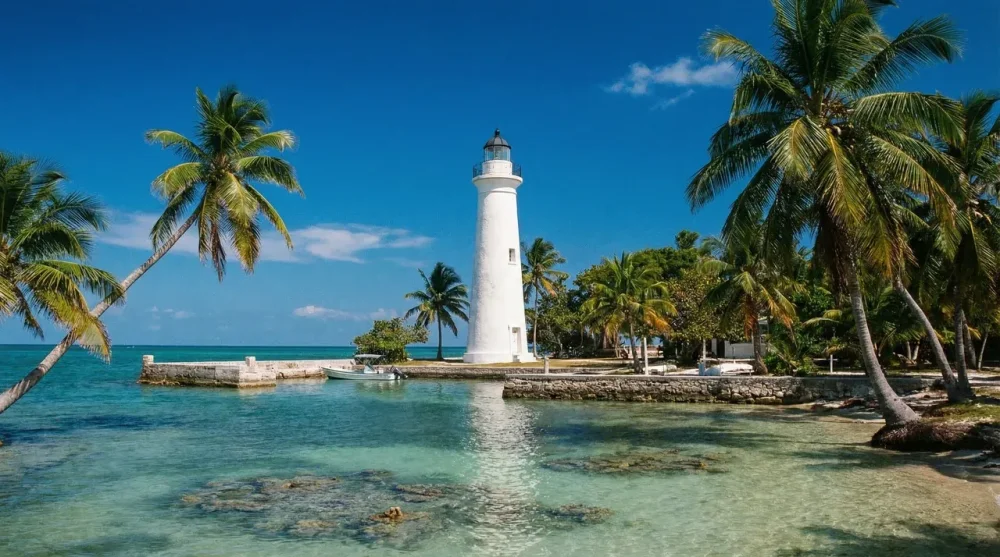
Take a heritage cruise to this popular island. The historic 65-foot lighthouse built in the 1930s provides the absolute best vantage point to photograph the distant Miami skyline. The island features a beautiful beach and picnic spots, but it often gets crowded with private boaters playing music on weekends.
Elliott Key (Hiking and Tent Camping)
Head to the largest island in the park for a rugged outdoor escape. Walk the seven-mile Spite Highway trail to spot the rare Schaus swallowtail butterfly. Pitch your tent at the campground and fall asleep to the sound of the ocean. If you plan to stay overnight on your private boat, docking overnight triggers the $35.00 camping fee on top of the daytime $25.00 docking charge, download the Recreation.gov app before leaving the city, as cell service near the islands is unreliable.
How to Get to Biscayne from Miami
Navigating South Florida traffic requires patience, but reaching the park is straightforward.
Driving to Convoy Point
Take the Florida Turnpike south to Speedway Boulevard in Homestead. The drive takes about an hour from downtown Miami. Arrive early, as the parking lot fills up extremely fast on sunny weekends. There is no gas station and no food service for the last several miles of road, so fuel up and eat before you commit to the final stretch.
Using the Free Homestead National Parks Trolley
Skip the rental car entirely during the winter months. The city of Homestead operates a free trolley service on weekends from January 3 through April 5. The trolley connects directly to Miami-Dade public transit routes and drops you off right at the visitor center entrance. Trolley riders also receive free admission to both Biscayne and Everglades National Parks. Reservations are required via Eventbrite, capacity is limited and spots disappear quickly.
Practical Tips for First-Time Visitors
A little preparation saves your trip from easily avoidable disasters.
Book Morning Tours to Avoid Wind Cancellations
Afternoon wind is the single biggest cause of cancelled boat tours. Multiple visitors have arrived to find their afternoon Stiltsville or snorkel tour cancelled on the spot. Book the earliest available departure to protect your plans.
Dealing with Aggressive Summer Mosquitoes
Do not underestimate the bugs. If you visit between May and October, coat yourself in strong insect repellent before you even step out of your vehicle. The mosquitoes near the mangrove trails are relentless and will ruin an otherwise perfect walk.
Dry Season vs. Wet Season (When to Go)
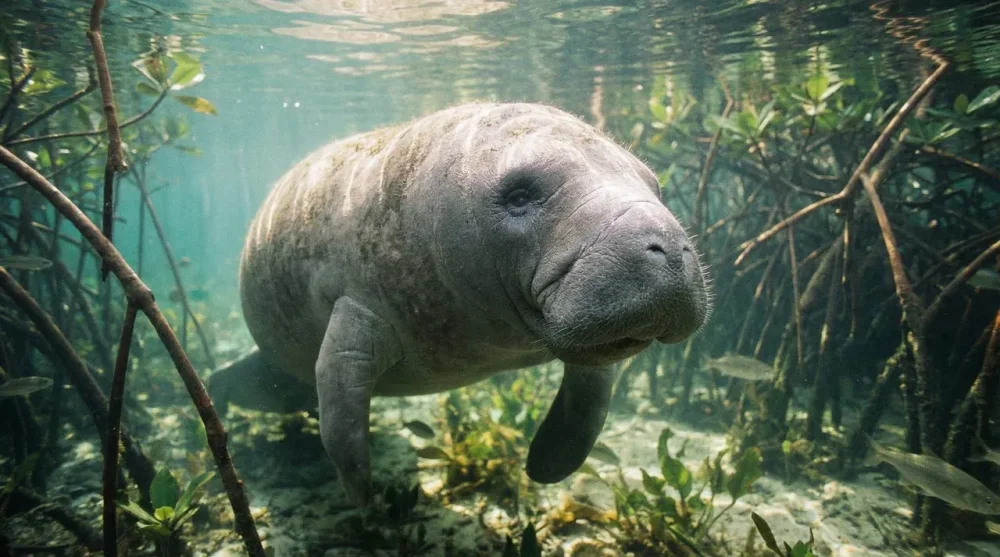
Plan your trip between November and April for the best overall experience. The humidity drops, the skies stay clear, and gentle manatees seek refuge in the warmer coastal waters near the visitor center. Summer brings unpredictable afternoon thunderstorms that frequently cancel boat tours and paddleboard rentals. One silver lining of a summer visit: camping on Elliott Key and Boca Chita Key is free between May 1 and September 30.