Planning a trip to America's first national park is a balancing act. You are constantly weighing three major factors: good weather, crowd levels, and road access. If you visit in July, you get sunshine but might sit in bumper-to-bumper traffic. If you visit in November, you get solitude but might find every gate locked.
The reality is that Yellowstone National Park changes drastically with the seasons. A road that is scenic in October becomes a snowmobile track in December. Therefore, there is no single best time for everyone. It entirely depends on what you want to experience.
Here is the quick summary for decision makers:
- Best Overall Time: Late May and September (Good weather, fewer crowds)
- Best for Wildlife: Spring (Baby animals) and Winter (Wolves)
- Best for Budget: Winter (Excluding holidays) or Early Spring
- Worst Time: April and November (The Mud Season)
The Short Answer: When Should You Go?
If you want the perfect mix of accessible roads, pleasant weather, and manageable crowds, the first two weeks of September are the golden window.
During this period, families have returned to school, which significantly drops the visitor numbers. The mosquitoes are mostly gone, and the elk rut (mating season) begins, offering incredible wildlife viewing opportunities. The temperatures are crisp but not freezing, and all park services are still fully operational.
Weather & Crowds by Season: Pros & Cons
Understanding the distinct personality of each season will help you manage your expectations and pack the right gear.
Summer (June - August): Best Weather but Peak Crowds
Summer is the classic time to visit. All roads, lodges, and campsites are open. You have long daylight hours to explore, which allows you to see more geysers and trails in a single day. The wildflowers are in bloom, and the park is vibrant.

However, you must be prepared for company. This is the busiest time of the year. Finding parking at popular spots like Grand Prismatic Spring or Old Faithful can be a challenge between 10 AM and 4 PM. Accommodation prices are at their highest, and you often need to book rooms or campsites a year in advance. If you choose summer, start your days very early to beat the rush.
Fall (September - October): The Goldilocks Season
As mentioned, September is fantastic. As October rolls in, the park transforms. The aspens turn bright yellow, creating stunning photography backdrops. The air gets colder, which makes the steam from the geysers look even more dramatic.
The risk in October is snow. Early winter storms can temporarily close roads, especially over high passes like Dunraven. Services start to shut down throughout the month, so you need to check the closing dates for lodges and gas stations. If you are self-sufficient and don't mind chilly nights, this is a magical time to be in Wyoming.
Spring (April - May): Baby Animals & Road Closures
Spring is the season of awakening. Bears emerge from hibernation, and the valleys are filled with bison calves and elk calves. For wildlife photographers, late May is arguably the best time to be in the park. Waterfalls are also at their peak flow due to melting snow.
The downside is logistics. Yellowstone takes a long time to wake up. Many roads remain closed to regular cars until late May. You might encounter snow, rain, and mud all in one day. Hiking trails can be muddy or covered in snowpack, limiting how far you can walk into the backcountry.
Winter (November - March): For the Adventurous
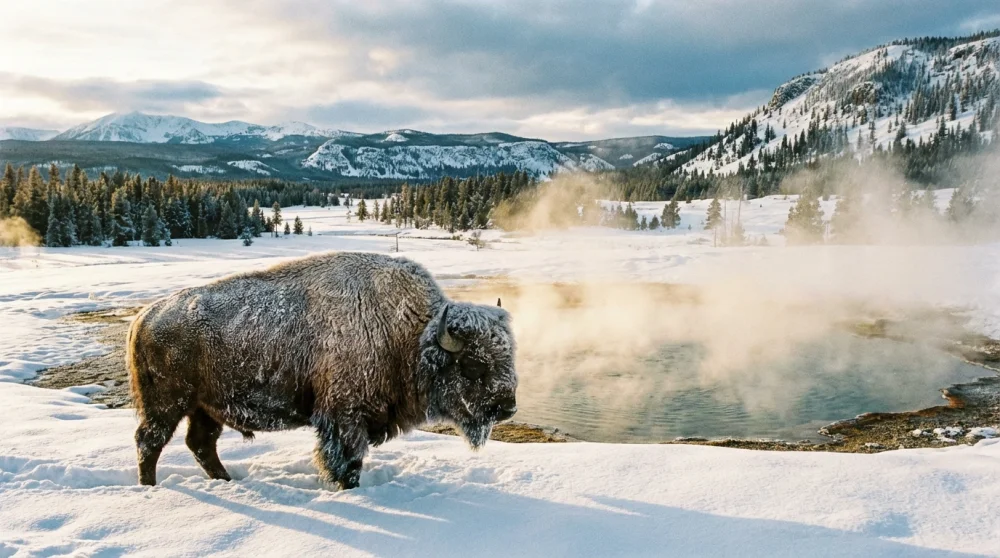
Winter in Yellowstone is a completely different planet. Most park roads close to regular vehicles in early November and do not reopen until April. The only way to access the park interior is via guided snowcoaches or snowmobiles.
This exclusivity makes it expensive and requires planning, but the reward is total silence. You can watch Old Faithful erupt with almost no one else around. The white landscape makes it very easy to spot dark animals like wolves, making this the premier season for wolf watching in Lamar Valley.
Worst Time to Visit Yellowstone
You should generally avoid the Mud Season. This typically covers most of April and November.
During these transition months, the park is in a state of limbo. Winter activities have stopped, but summer roads haven't opened yet. Most hotels, restaurants, and visitor centers are closed. The weather is usually gray, wet, and uninviting. Unless you are just driving through the few roads that stay open year-round near the North Entrance, there is very little to do.
Best Time to See Wildlife
Your chances of seeing iconic animals change based on their biological clocks and migration patterns.
- Bears: March to May is prime time as they emerge from dens and scavenge for winter-kill carcasses. They are often visible from the road.
- Bison: You can see them year-round, but the bison rut in August is spectacular. The bulls are active, aggressive, and constantly moving.
- Wolves: Winter is best. They stand out against the snow, and they move to lower elevations (like Lamar Valley) to hunt elk.
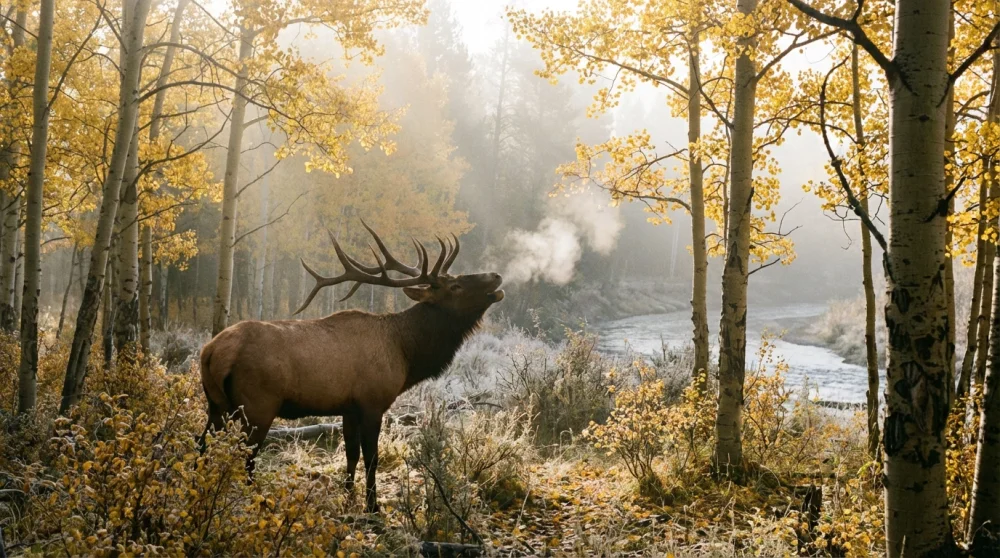
- Elk: September is the rutting season. You will hear the bulls bugling (a high-pitched scream) in the Mammoth Hot Springs area.
Road Closures & Logistics: Don't Get Stuck
This is the most critical practical advice for your trip. Do not assume you can drive everywhere just because your GPS says so.
- Summer Loop: Most park roads open gradually starting in late April and are fully open by Memorial Day weekend (late May).
- Winter Closures: The interior roads close to regular traffic in early November.
- Construction: Yellowstone creates short summers for road work. Always check the official park alerts for construction delays before you enter.
Being flexible is key in Yellowstone. Weather can change your plans in an instant, but that wild unpredictability is exactly what makes this place so special.