Landing at Charles de Gaulle Airport without an internet connection quickly turns a dream trip into a stressful puzzle. Finding your way to the hotel, checking train schedules, or ordering a ride all require immediate data access. Skip the long lines at terminal kiosks and avoid struggling with language barriers right after a tiring flight. You can set up your mobile data before you even pack your bags.
Activating an eSIM gives you instant access to local French networks the moment your plane touches the runway. You keep your primary physical SIM active for emergency texts from home while routing all your heavy data traffic through a local, high-speed connection.
Why You Need an eSIM in France (Skip the Airport Kiosks)
Hunting for a physical SIM card in a foreign country consumes precious vacation hours. Tabac shops sell local tourist packages, but dealing with passport registrations and tiny plastic cards is incredibly outdated.
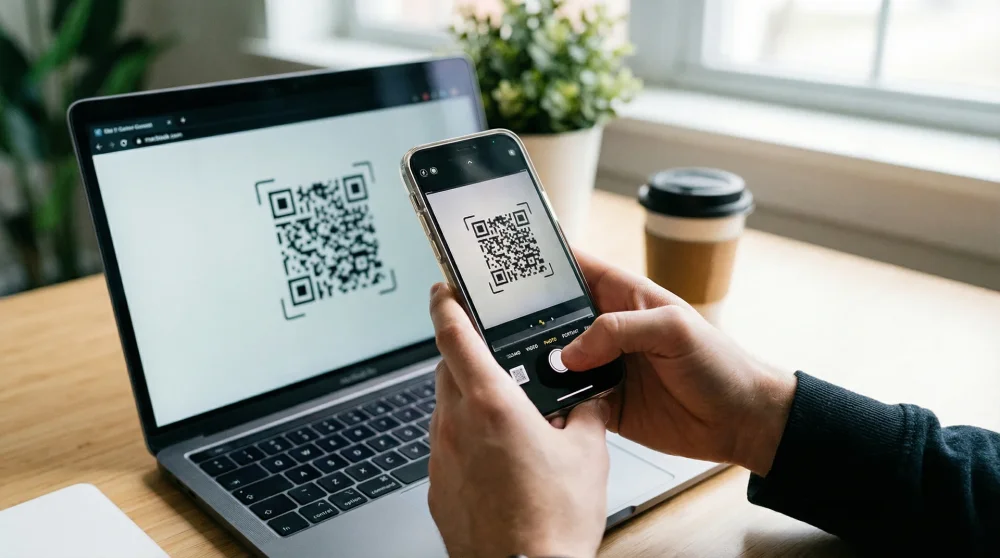
Choosing a digital profile solves the connectivity problem seamlessly. You just scan a QR code, tap a few buttons in your settings, and you are online. This modern approach completely eliminates the risk of losing your original SIM card.
- Instant Connectivity: Connect to 5G networks immediately upon landing.
- Dual SIM Advantage: Keep your home number active for bank OTPs and urgent messages.
- Zero Roaming Shocks: Use local French data and avoid massive bills from your home provider.

Top France eSIM Providers Compared
Different travel styles require different internet packages. Some travelers just need basic navigation, while others want a local phone number to book restaurants.
GoHub: Best for Budget & Flexible Data
GoHub stands out for travelers seeking highly customizable data bundles without paying for unnecessary extras. Their platform automatically connects you to the strongest local network available, which is usually Orange or Bouygues.
The setup process takes only a couple of minutes and requires no identity verification. Pick this provider if you heavily rely on WhatsApp, Google Maps, and social media sharing without needing traditional phone calls.
Orange Holiday Europe: Best for a Local +33 Number
Orange operates the most extensive telecommunications network across the country. Their Holiday Europe package provides a genuine French phone number (+33) alongside massive data allowances.
Having a local number is a massive advantage for extended stays. Grab this package if you plan to make standard voice calls or need to receive SMS verifications from local French services.
Saily: Best for Built-in Security & Rural Areas
Created by cybersecurity experts, Saily integrates privacy features directly into their mobile connections. Their built-in ad blocker significantly reduces your overall data consumption while keeping your browsing secure on public Wi-Fi networks.
They seamlessly switch between major networks to maintain a strong signal. Choose Saily if you plan to explore the deep French countryside or prioritize digital privacy.
Airalo & Nomad: Solid Alternatives for Short Trips
Both Airalo and Nomad offer very user-friendly smartphone applications for managing your data. They provide a wide variety of short-term plans that perfectly fit a quick weekend getaway to Paris or Nice.
While their rural coverage might occasionally drop, they perform exceptionally well in urban centers. Install their apps if you want a visual dashboard to track your megabyte usage in real-time.
Do You Actually Need a French Phone Number?
Most tourists survive perfectly well on data-only packages using internet-based calling apps. However, certain local experiences in France still rely heavily on traditional phone calls.
Many popular local bistros outside the main tourist zones do not accept online bookings. You must call them directly to reserve a table. Furthermore, registering for local mobility apps or utilizing the SNCF Connect train application sometimes requires local SMS verification. If you plan a deep, localized cultural dive, investing in a profile that includes a +33 number makes your life much easier.

Network Coverage: Orange vs. Bouygues vs. SFR
France boasts excellent mobile infrastructure, but performance varies wildly depending on your exact location.
5G Availability in Paris, Nice, and Lyon
Urban centers enjoy incredibly fast and reliable internet speeds. Orange, Bouygues, and SFR all provide comprehensive 5G coverage across Paris, Lyon, and the French Riviera.
You can easily stream high-definition videos, upload heavy files, and conduct seamless video calls from a café in Montmartre or the Promenade des Anglais. Even the underground Paris Metro system maintains a surprisingly strong connection for uninterrupted navigation.
Staying Connected in Rural France (Dordogne, Alps, Provence)
Venturing into the picturesque countryside changes the connectivity landscape entirely. The rolling hills of Dordogne, the lavender fields of Provence, and the high altitudes of the French Alps present geographic challenges for mobile signals.
Orange consistently dominates the rural coverage maps, maintaining solid LTE connections where others fall back to slower speeds. If your itinerary involves renting a car and exploring remote chateaus, prioritize a provider that specifically utilizes the Orange network.

How Much Data Do You Really Need for a French Trip?
Estimating your internet consumption prevents the frustration of running out of megabytes mid-trip.
- Light Users: Navigating with Google Maps, checking emails, and sending text messages consumes very little data. A small bundle easily lasts for a short city break.
- Moderate Users: Frequent social media updates, occasional video calls, and streaming Spotify on train rides require a mid-tier package.
- Heavy Users: Uploading daily vlogs, remote working, and heavy tethering demand massive data allowances or unlimited plans.
Always download your offline maps before leaving your hotel room. This simple trick saves a massive amount of mobile data while exploring city streets.
Step-by-Step: Activating Your eSIM Before Landing at CDG
Setting up your digital profile takes just a few moments and guarantees immediate access upon arrival.
- Check Compatibility: Ensure your smartphone supports digital SIM technology.
- Purchase Your Plan: Buy your preferred data bundle online a day or two before your flight.
- Scan the QR Code: Open your phone settings, navigate to cellular data, and scan the code sent to your email.
- Label Your Lines: Name your new profile France Travel to avoid confusing it with your home network.
- Turn on Roaming: Once you land, switch the new profile on and enable data roaming specifically for that line.