Choosing between Austin and San Antonio is one of the most common dilemmas for anyone relocating to Central Texas. Both cities offer warm weather, a strong job market, and that unmistakable Texas character - but they deliver very different lifestyles and financial realities. This guide breaks down the key differences so you can make a clear, informed decision before you move.
- Housing Affordability: San Antonio offers significantly more square footage and yard space for your budget compared to the highly competitive Austin market.
- Primary Industries: Austin is completely dominated by tech and startups, while San Antonio thrives on stability through healthcare, military, and aerospace sectors.
- Commuting Reality: Navigating Austin often involves major daily delays, whereas San Antonio provides a much more spread-out and manageable highway system.
- Local Vibe: Austin leans towards a fast-paced and heavily modernized lifestyle, while San Antonio maintains a relaxed and deeply historic atmosphere.
Cost of Living: Crunching the Texas Numbers
Affordability is usually the deciding factor for anyone stuck between these two cities. The cost of living difference goes far beyond the price of your morning coffee.
Housing Market: Travis County vs. Bexar County
Texas does not collect a state income tax, making property taxes the most critical financial factor for homeowners. Buying a house in Travis County means preparing for a significantly heavier tax burden compared to Bexar County.
Austin's rapid population surge has turned its real estate market into a highly competitive zone. Finding a spacious single-family home near the city center requires a massive budget.
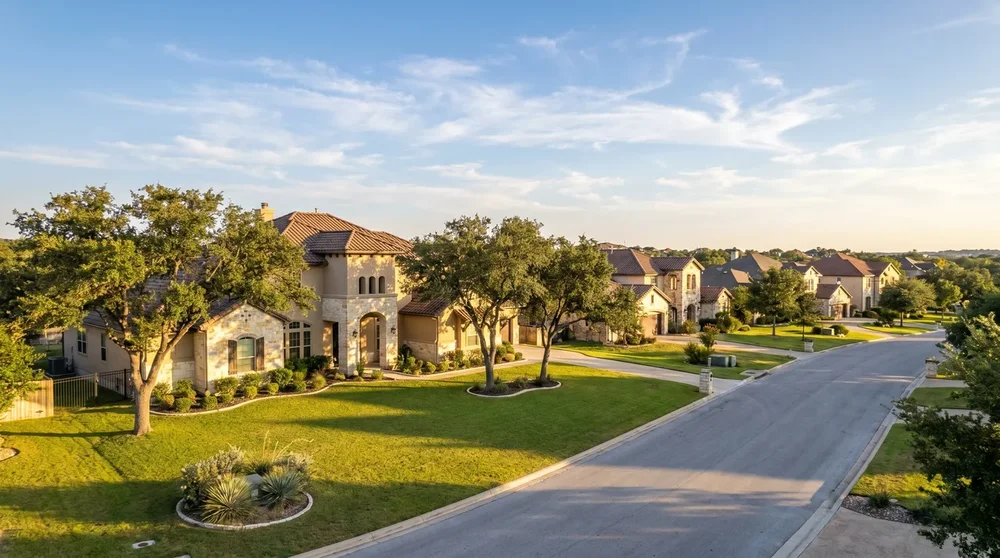
San Antonio operates on a completely different scale. You get much more house for your money, making it the obvious choice for growing families or remote workers who need dedicated office space without breaking the bank.
The Hidden Costs: Utilities and Everyday Expenses
Your monthly utility bills also tell two different stories. Austin's infrastructure constantly struggles to keep up with its booming population. This rapid expansion often results in higher utility rates and more frequent strain on the local grid.
San Antonio benefits from a more established and stable infrastructure. The overall cost for basic necessities, groceries, and local services stays noticeably lower.
Lower everyday costs mean more disposable income for your weekend activities.
Job Markets: Silicon Hills vs. Military City USA
Choosing between these two economies depends entirely on your specific career path and risk tolerance.
Tech and Startups in Austin
Austin earned the nickname Silicon Hills for a very good reason. The city acts as a massive magnet for tech giants and ambitious startups. If you work in software development, data science, or digital marketing, this is exactly where you need to be.
This high-reward environment comes with intense competition. The job market moves incredibly fast, and the high salaries are absolutely necessary to match the equally high living expenses.
Healthcare, Defense, and Aerospace in San Antonio
San Antonio provides a deeply grounded and highly stable economic landscape. The city hosts major military bases, creating a massive ecosystem of defense contractors and aerospace engineering firms.
The healthcare sector here is massive and constantly hiring. These industries offer long-term job security and excellent benefits, perfectly complementing the city's lower cost of living.
Stability often wins over rapid growth for long-term career planning.
Traffic, Transit, and Daily Commutes
Your daily commute will drastically affect your quality of life in either city.
Public transportation in Austin relies heavily on bus networks and a limited rail line. However, the real challenge is driving. The geography of the city funnels most traffic directly onto Interstate 35, creating notorious bottlenecks that can easily double your travel time during rush hour.
San Antonio spreads out over a much larger geographical area. The highway system features multiple loop roads that effectively distribute traffic away from the center.
You will still need a car to get around easily, but you will spend significantly less time staring at brake lights.
Climate Reality Check: Heat, Humidity, and Hill Country Breezes
Both cities share the classic Texas heat, but their geographical positions create subtle yet important differences.
San Antonio sits closer to the Gulf Coast, which means it catches noticeably more humidity throughout the long summer months. The air feels heavier, especially during the early morning hours.
Austin benefits slightly from its position in the Texas Hill Country. The elevation provides slightly drier air and cooler evening breezes that make outdoor activities much more manageable after the sun goes down.
Culture and Lifestyle Clash
The weekend vibe in these two cities could not be more different from one another.
Live Music Capital vs. Deep Historic Roots
Austin constantly buzzes with chaotic and creative energy. The city revolves around outdoor festivals, massive live music events, and a highly active fitness culture centered around Lady Bird Lake.
San Antonio feels like a massive town that deeply respects its roots. The historic missions and the famous River Walk offer a much slower, family-oriented pace of life.
Food Scene: Tex-Mex Legacy vs. Modern Fusion
If you want absolute authenticity, San Antonio is the undisputed king of traditional Tex-Mex cuisine. The local family-owned restaurants serve recipes that have been perfected over generations.
Austin approaches food with an experimental mindset. The city is famous for highly innovative food trucks, modern fusion concepts, and craft barbecue spots that draw lines around the block.
If you are planning a broader Texas road trip, the Houston Museum of Natural Science is well worth the detour - Houston sits just a few hours east of both cities and makes an excellent addition to any Central Texas itinerary.