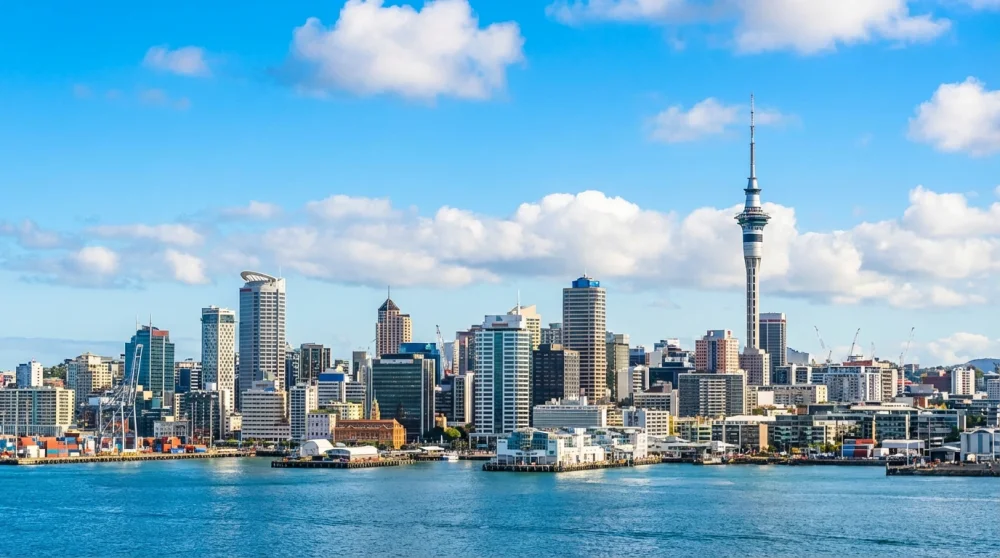
You are standing on the rim of a dormant volcano, looking up at one of New Zealand's most iconic buildings. The Auckland War Memorial Museum is not just a place to look at old artifacts; it is the emotional and cultural anchor of the city. Resting on the highest point of the Auckland Domain, this Neoclassical masterpiece tells the story of the Pacific, the natural history of the islands, and the sacrifices made during wartime.
For many visitors, the sheer size of the collection is overwhelming. You might easily miss the hidden rooftop tours or get stuck paying for parking when there are better options nearby. We help you navigate the three massive floors, find the most immersive experiences like the Volcano House, and understand exactly how the ticketing system works for locals versus international travelers.
Location: The Auckland Domain, Parnell, Auckland
Opening Hours: Daily 10 AM - 5 PM (Closed Christmas Day)
Best Time to Visit: Weekday mornings to avoid school groups
Entrance Fee: Free for Auckland Residents, NZD 28 for International Visitors
Entrance Fee & Tickets: Is it Free?
There is a common misconception that the museum is entirely free. This is only true if you live here. The museum operates on a tiered pricing system that you need to be aware of before you arrive.
For Auckland Residents: Entry is free. You must bring proof of residence, such as a utility bill or a library card, along with your photo ID. Without this proof, the staff at the counter will charge you the standard rate.
For New Zealand Residents (Outside Auckland): Entry is technically free, but a donation is highly encouraged. The suggested donation is around NZD 10, but this is voluntary.
For International Visitors: You need to purchase a ticket. The standard adult admission is NZD 28, and children (5-15 years) are charged NZD 14. Family passes are available if you are traveling with a group. We recommend booking your tickets online if you want to skip the queue during the busy summer season of 2026.
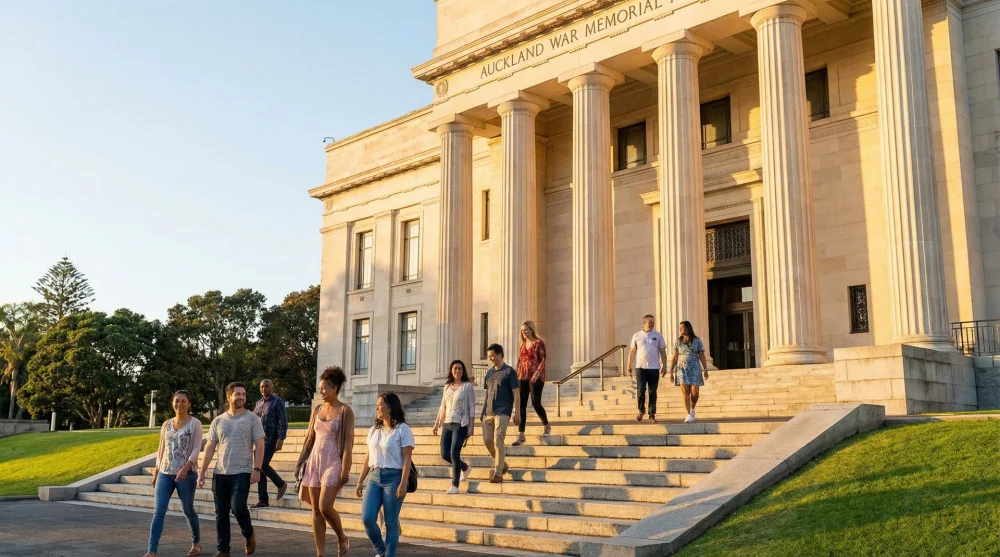
Getting There & Parking (The Real Struggle)
The museum sits majestically in the middle of a park, which makes access beautiful but parking slightly tricky. You have two main options depending on your budget and patience.
Museum Car Park: There is a secure underground car park directly under the museum. It is convenient, especially if it is raining or if you have mobility issues. However, the spaces fill up rapidly on weekends. The first 30 minutes are usually free for drop-offs, but after that, the rates climb quickly.
The Domain (Budget Option): If you do not mind a short walk, drive around the Auckland Domain loop. You often find free or cheaper parking spots along the grass verges or near the Wintergardens. From there, you enjoy a pleasant 10-minute walk up the hill to the museum entrance.
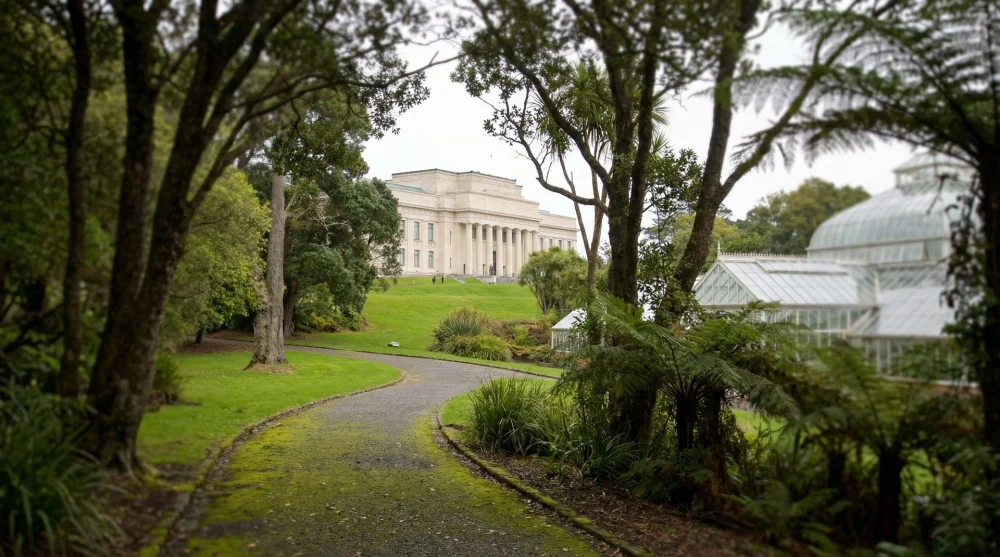
Public Transport: If you prefer not to drive, the Link Bus service stops regularly around the Domain. Alternatively, take the train to Parnell Station. Be warned that the walk from the station to the museum involves a steep uphill climb through the bush path, so wear comfortable shoes.
Things to Do: A Floor-by-Floor Breakdown
The museum is divided into three distinct levels. We recommend starting from the bottom and working your way up to follow the narrative of the land and its people.
Ground Floor: Pacific & Māori Treasures
This level is the cultural heart of the building. You walk among the taonga (treasures) of the Māori people and Pacific ancestors.
- Hotunui: This is a fully preserved, intricate meeting house inside the main hall. You are allowed to take off your shoes and step inside to see the carvings up close. It gives you a rare sense of scale and craftsmanship.
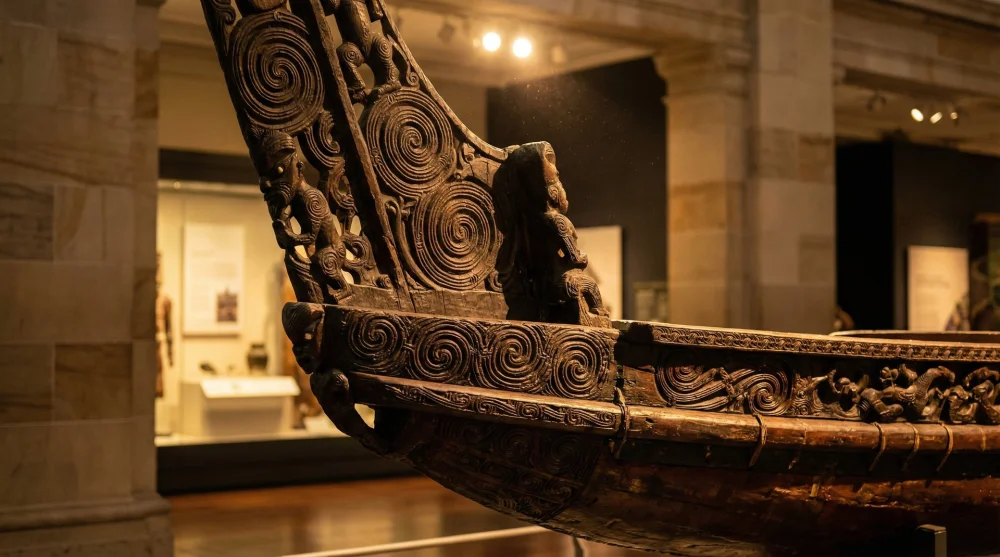
- Te Toki ā Tāpiri: Look for the massive war canoe (waka) that spans the length of the hall. It is the only surviving war canoe from the pre-European era and is a powerful symbol of naval history.
- Cultural Performance: The museum hosts a daily cultural show that includes the Haka. This is a paid add-on to your entry ticket but is worth it if you want to feel the energy of Māori performing arts firsthand.
Important Note: The museum is currently undergoing a long-term refurbishment project in 2026. Some sections of the Pacific galleries might be closed or hoarded off during your visit. Check the screens at the entrance for the daily status of these galleries.
Level 1: Natural History & The Volcano House
This is usually the favorite floor for families and children. It focuses on the geological and biological history of New Zealand.
- The Volcano House: This is the highlight of the floor. You enter a living room set simulation that overlooks the Auckland harbor. The experience simulates a volcanic eruption in the harbor, complete with shaking floors, news broadcasts, and visuals.
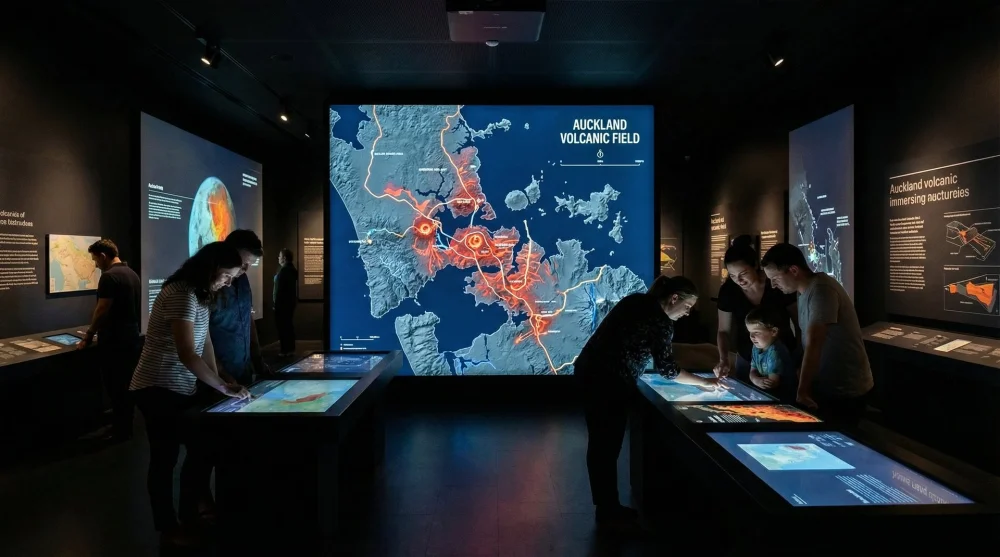
It is a visceral reminder that Auckland is built on a volcanic field.
- Weird & Wonderful: A dedicated discovery center for children where they can touch fossils, look through microscopes, and open drawers filled with insects.
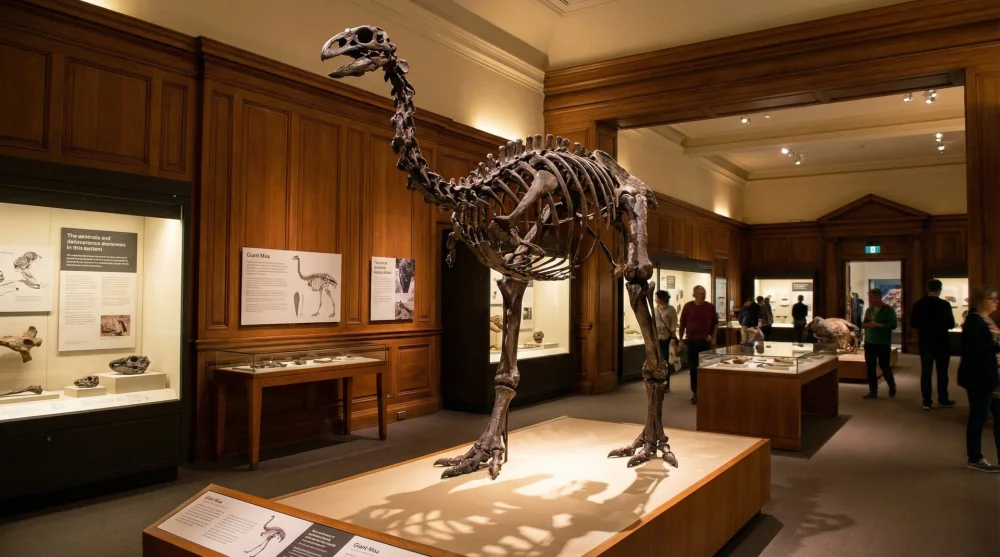
- Moa Skeletons: You stand face-to-knee with the giant Moa, the extinct flightless bird that once ruled these islands. Seeing the skeleton gives you a true appreciation of prehistoric New Zealand.
Level 2: War Memorial & The Spitfire
The top floor is a solemn space dedicated to remembrance. The tone here shifts from educational to reflective.
- The Spitfire & Zero: Aviation enthusiasts appreciate the genuine Supermarine Spitfire and the Japanese Mitsubishi Zero on display. These are not models; they are actual aircraft with combat history.
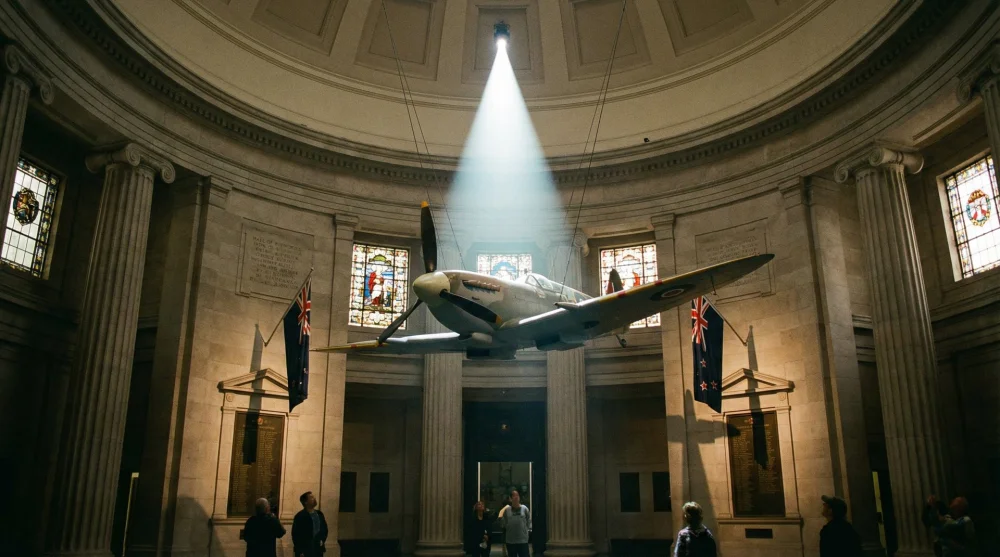
- Hall of Memories: The walls are lined with the names of Aucklanders who fell in the two World Wars. It is a quiet, hallowed space with stained glass windows that filter the light beautifully.
- Scars on the Heart: This exhibition covers the personal stories of soldiers and their families. It moves away from the statistics of war to focus on the human impact.
Special Tours: The Twilight Rooftop
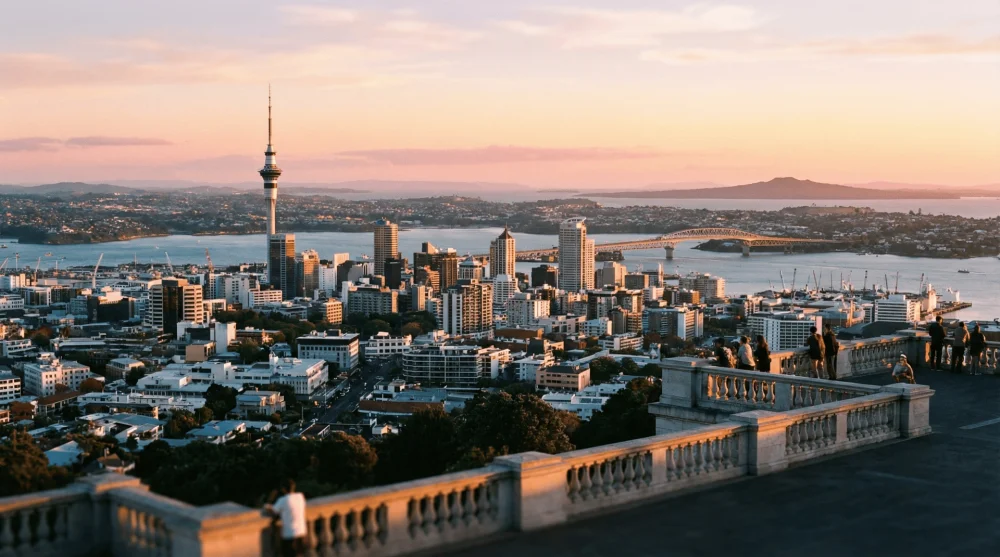
For a truly unique experience, check if the Twilight Rooftop Tour is running during your stay. These usually happen on Tuesday evenings. You go behind the scenes and climb to the roof of the museum. The view from up there offers a 360-degree panorama of the city, the harbor, and the Domain. It is a perspective very few tourists get to see.
Dining & Facilities
After hours of walking, you need a break. The Tuitui Museum Bistro & Cafe is located in the grand foyer. The coffee is excellent, and the menu features local New Zealand produce. The glass ceiling of the atrium fills the space with natural light, making it a relaxing spot to rest your legs.
The museum store near the exit is also better than your average gift shop. It stocks high-quality books on New Zealand history, Māori carvings, and locally made jewelry, rather than just cheap plastic souvenirs.
Practical Tips for Families
- Stroller Access: The entire museum is accessible. There are elevators connecting all floors, and the spaces between exhibits are wide enough for double strollers.
- Bag Check: You can store large backpacks and coats at the front desk for a small fee, allowing you to explore unencumbered.
- Crowd Control: The Volcano House queue gets long on rainy weekends. Go there first thing in the morning to avoid the wait.