Reaching Aogashima's spectacular double caldera is entirely dictated by the Kuroshio Current, which routinely cancels up to 50% of the island's ferry services. Securing a spot on the nine-seat daily helicopter is your only reliable alternative, but it requires split-second timing exactly one month before your departure.
Aogashima Transport Options Compared
| Feature | Tokyo Island Shuttle (Helicopter) | Aogashima Maru (Ferry) |
|---|---|---|
| Duration | 20 minutes | ~3 hours |
| One-Way Fare | ¥11,750 | ¥6,340 (fluctuates with fuel) |
| Reliability | ~80%+ operation rate | ~50-60% operation rate |
| Booking Window | Exactly 1 month prior at 9:00 AM JST | No advance booking, buy at the port |
| Luggage Limit | 5kg (¥230 per extra kg) | Generous, standard ferry limits |
The Aogashima Access Problem: Why Planning Is Everything
Aogashima lacks a natural harbor and sits isolated in the Philippine Sea, 70 kilometers south of its larger neighbor, Hachijojima. There are no direct flights or boats from Tokyo. Hachijojima is your mandatory staging ground.
You must first fly from Tokyo's Haneda Airport to Hachijojima (about 55 minutes via ANA) or take the overnight Tokaikisen ferry from Takeshiba Pier. Only once you are on Hachijojima can you attempt the final crossing to Aogashima. The fierce ocean conditions mean your itinerary is always at the mercy of the weather, demanding a rigorous backup plan.
Option 1: The Aogashima Helicopter (Tokyo Island Shuttle)
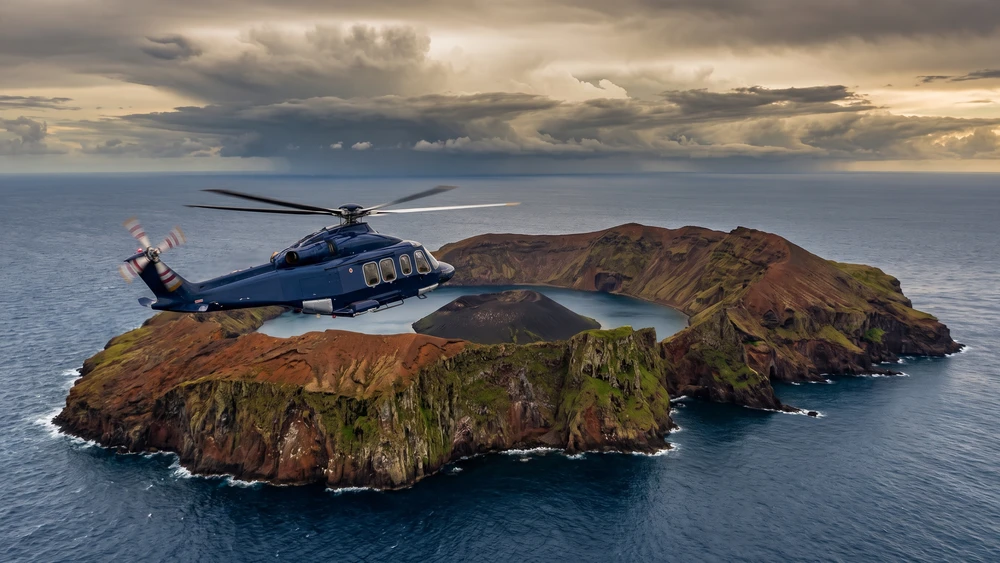
Operated by Toho Air Service, the helicopter is the lifeline of Aogashima. It operates year round with a high success rate, grounding only during severe fog or typhoons.
How to Book the Nine-Seat Helicopter
This is a highly competitive process. The chopper holds only nine passengers, and locals use it for essential travel and emergencies. Reservations open exactly one month before your desired flight date.
You need to be on the Toho Air Service website or calling their reservation line precisely at 9:00 AM Japan Standard Time. Seats often vanish within minutes. If you miss the initial window, you can add your name to the waiting list, but your chances of securing a spot drop significantly.
Helicopter Luggage Limits and Fees
Helicopters demand strict weight distribution. Your base fare only covers 5 kilograms of luggage. You will pay a penalty of ¥230 for every additional kilogram.
More importantly, space is physically restricted. Bulky, hard-shell suitcases simply will not fit in the luggage compartment and will be refused at check-in. Pack your gear into a soft duffel bag or a flexible backpack to ensure it makes the flight. Check-in closes 30 minutes before departure.
Option 2: The Aogashima Ferry
Taking the boat is considerably cheaper and offers a generous luggage allowance, but it is a massive gamble.
Sokodo Port Departures, Fares, and Schedule
The ferry operates a maximum of four to five times a week, completing one round trip per active day. No advance booking is possible. The operating company, Izu Shoto Kaihatsu, assesses the ocean conditions every single morning.
The final go/no-go decision is announced at 7:00 AM on the day of departure. If the service is running, you must head directly to Sokodo Port on Hachijojima to buy your physical ticket at the counter. The journey takes about three hours, and passengers prone to seasickness should take medication well before boarding.
Why the Ferry Is Canceled 50% of the Time
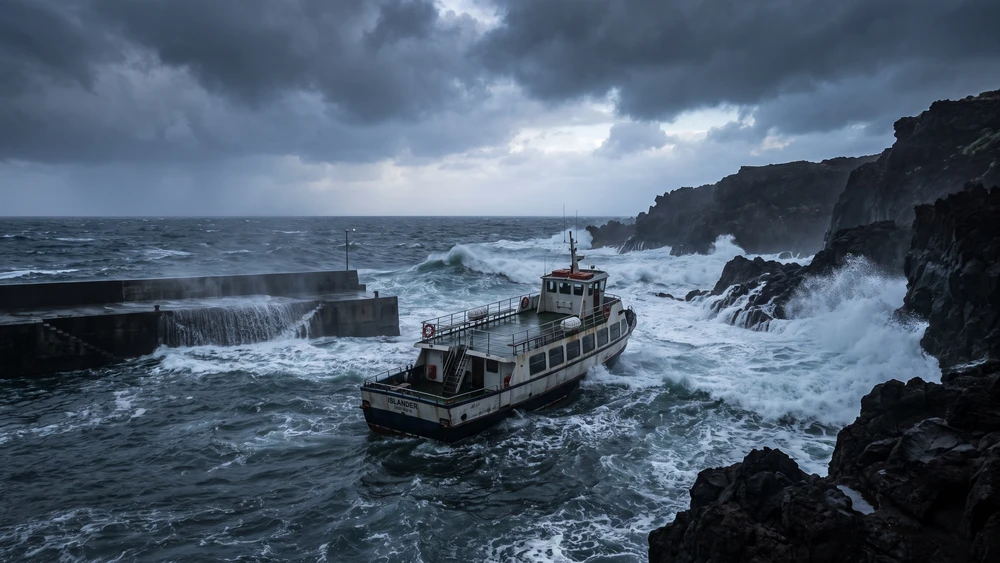
The ocean around Aogashima is unforgiving. The powerful Kuroshio Current generates average wave heights of two meters in the summer, swelling to over five meters in the winter.
Sampo Port on Aogashima is essentially a concrete pier jutting out against sheer cliffs. It offers zero natural protection from the open sea. Even if the skies above Hachijojima are clear and blue, aggressive swells at Sampo Port will force the captain to cancel the crossing.
Backup Plans: What to Do When Transport Is Canceled
You must approach an Aogashima trip with the understanding that you might get stuck. Rigid, tightly packed Japan itineraries will shatter if the weather turns.
Stranded on Hachijojima
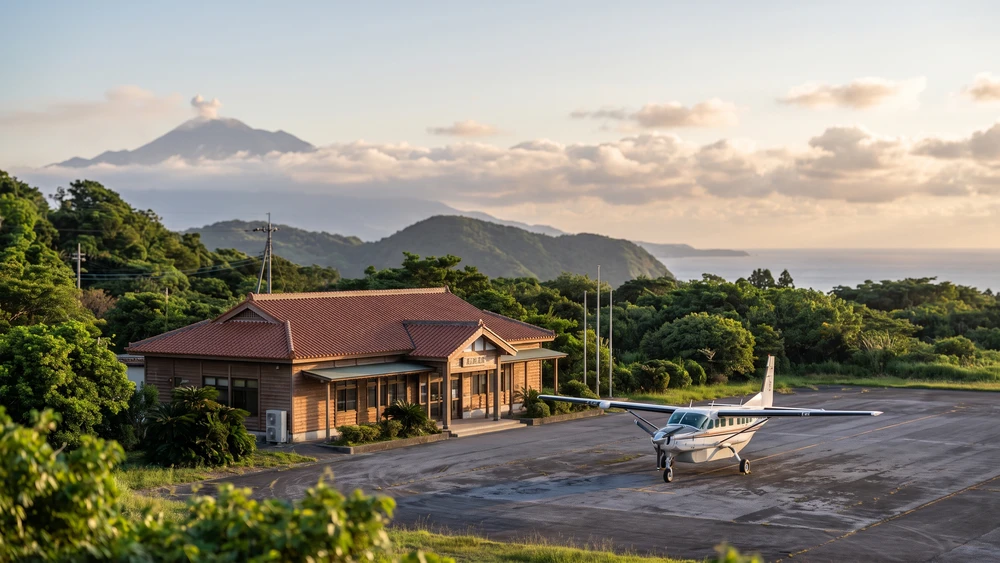
If you wake up to a canceled ferry and the helicopter is fully booked, head immediately to the Toho Air desk at Hachijojima Airport. Ask to be placed on the standby cancellation list for the day's flight.
Keep your accommodation on Hachijojima flexible. Book lodgings that understand the Aogashima transit problem and are willing to extend your stay at the last minute. Use the extra day to hike Mount Hachijo-Fuji or visit the geothermal hot springs on the island.
Stranded on Aogashima
Getting trapped on the crater is a common reality. If the ferry cannot dock and heavy fog grounds the chopper, you are not going anywhere.
Inform your minshuku (guesthouse) host immediately; they are accustomed to this and will accommodate you. Because credit cards are entirely useless on the island and there are no ATMs, you must bring enough physical Japanese Yen to cover at least three to four extra days of lodging and meals.
Ferry vs. Helicopter: Which Should You Choose?
If your schedule is tight and you have onward flights from Tokyo, you must book the helicopter. The peace of mind is easily worth the higher fare and the strict luggage rules.
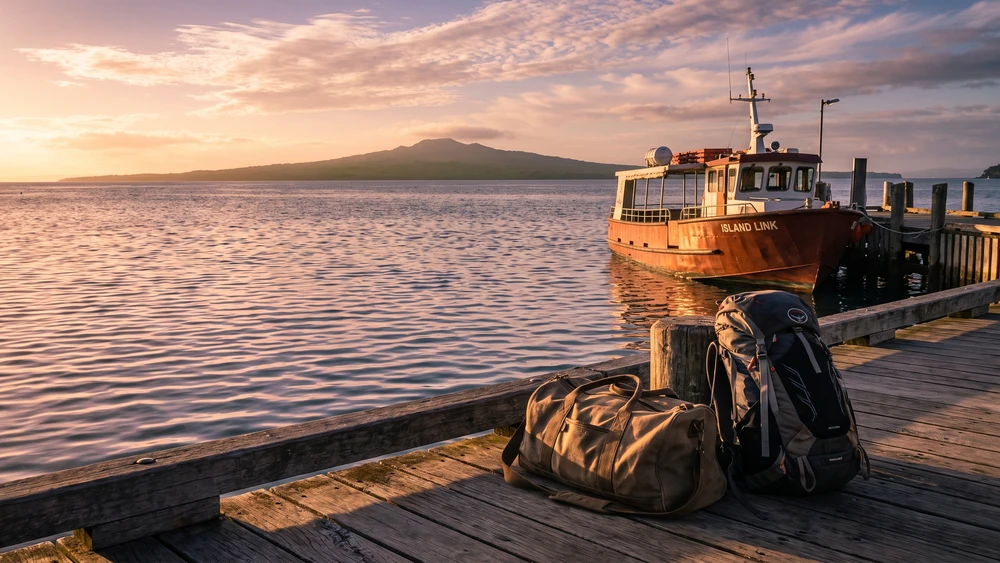
A highly effective strategy is booking the helicopter for your inbound leg to guarantee you reach the island. You can then leave your return open, attempting to catch the cheaper ferry back to Hachijojima. Just ensure you are on the helicopter waitlist for the return date as a safety net in case the sea starts turning rough.