Arriving in Tirana with only a credit card and assuming public transport runs on a strict schedule is the fastest way to derail your Balkan trip. Albania operates on an entirely different rhythm than Western Europe. Cash transactions and spontaneous minibus departures run the country.
- Currency: Albanian Lek (ALL). Cash is absolutely necessary for daily survival.
- Local Transport: Furgons (minibuses) leave when full, not on a set timetable.
- Drinking Water: Tap water is unsafe for consumption.
- Navigation: Offline maps are mandatory due to rural network dead zones.
The Truth About Money in Albania: Cash, Lek, and Hidden ATM Fees
Forget your digital wallet. Albania is a heavily cash-based society. Outside of large luxury hotels or modern cafes in the capital, plastic holds very little power. Small guesthouses, local bakeries and rural transport networks strictly require physical bills.
Euro vs. Albanian Lek: What to Actually Use
Many tourist hubs accept Euros, but paying in the local currency guarantees a better exchange rate. Vendors often round up prices when converting on the spot. Always keep a stack of Lek for daily expenses like coffee, street food and bus fares.
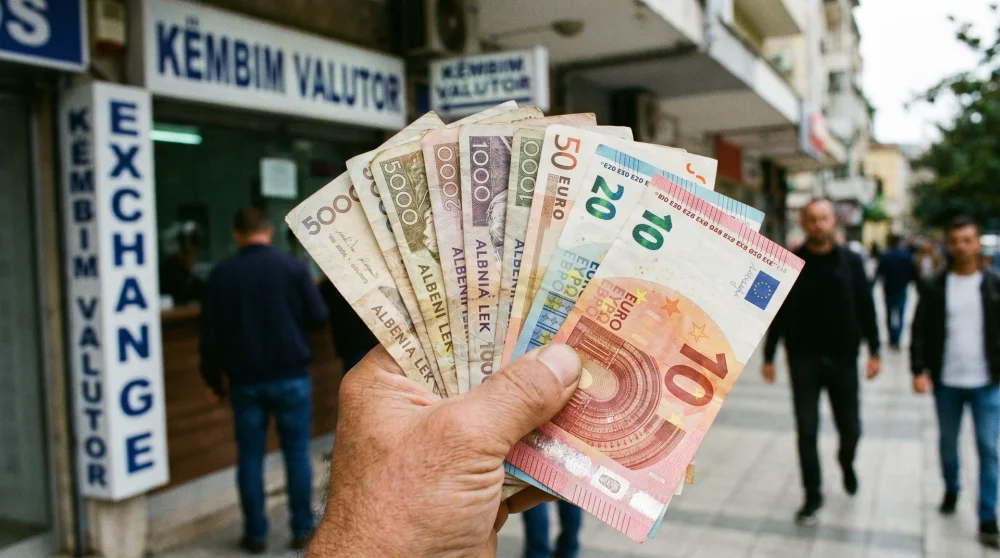
Exchange a small amount at the airport to survive the first few hours. Find a local currency exchange office in the city center later for much better rates.
How to Avoid Withdrawal Fees (The Credins Bank Hack)
Pulling money from random street ATMs drains your travel budget fast. Most local banks apply heavy surcharges to international cards for every single transaction.
Credins Bank is the rare exception. Using their machines usually allows you to bypass these hidden fees completely. Pull out the maximum daily limit in one go to minimize any unexpected bank charges from your home country. Also: when an ATM asks whether to charge you in ALL or your home currency, always choose ALL - selecting your home currency triggers Dynamic Currency Conversion with a poor exchange rate.
Getting Around: Why Furgons and Rental Cars Are Your Best Options
The Unspoken Rules of Albanian Furgons (Minibuses)
The furgon system is organized chaos. These private minibuses do not rely on official transit hubs or printed schedules. A simple piece of cardboard in the windshield displays the destination.
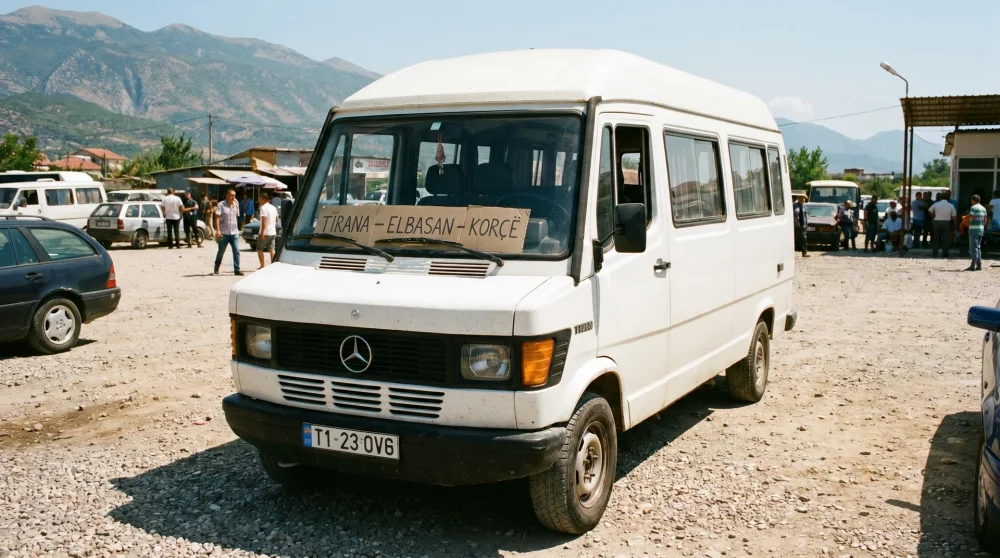
Hop inside and wait. The driver only starts the engine once every single seat is occupied. Tell the driver your exact drop-off point early, as they gladly make impromptu stops along the route. Pay directly in Albanian Lek - intercity fares are among the cheapest in the Balkans.
Renting a Car: Chaotic Roads but Maximum Freedom
Public transit completely misses the hidden beaches of the Albanian Riviera and remote mountain passes. Renting a vehicle solves this logistical problem immediately.
Driving here requires sharp focus and patience. Locals overtake on blind corners and livestock frequently wander onto major highways. Keep your speed low and stay highly alert at all times. If you're planning a road trip through the Balkans, travel insurance that covers rental vehicles is worth considering.
Digital Survival: SIM Cards, Wi-Fi, and Navigating Dead Zones
European Union roaming agreements do not apply here. Your phone will lose signal the moment you land. Buy a local physical SIM card at the airport or set up an eSIM before your flight.
Download your digital maps for offline use immediately. The mountains and deep coastal valleys have severe network dead zones. Trusting live navigation apps in these regions leaves you stranded on unmarked dirt roads.
3 Culture Shocks Every First-Timer Needs to Know
The Confusing Head Nod (Yes Means No)
Body language in Albania directly contradicts Western norms. A head nod means no, while shaking the head from side to side means yes.
This reversed gesture system causes endless confusion in restaurants and bus stations. Pay close attention to verbal cues rather than relying strictly on body language.
Tap Water Reality and the 5L Jug Hack
The tap water infrastructure is old and unsafe for drinking. Brushing your teeth is fine, but swallowing the water causes stomach problems quickly.
Buy large water jugs from the local supermarket and refill your reusable daily bottle. This simple habit reduces plastic waste and keeps you hydrated safely.
The Evening Xhiro Tradition
The midday heat forces everyone indoors, leaving the streets completely empty. Everything changes as the sun goes down.
Entire towns emerge for the xhiro. Families, friends and couples stroll up and down the main boulevards for hours. Grab a coffee, sit at a street-side cafe and watch the entire city socialize.